

You can spot baby cockroaches (nymphs) by their small, wingless, oval bodies (about 1/8–1 inch), quick darting movement, and soft texture that darkens from white/translucent after molts. Look for long antennae, sturdy legs, and species clues: German nymphs have two dark stripes; American are larger and reddish-brown; Oriental darken to glossy black; brown-banded show pale bands. They hide near food and moisture—under sinks, behind appliances, in cabinet gaps. If you’re seeing these, you’re likely close to the solution.
Key Takeaways
- Baby cockroaches (nymphs) are small, wingless, oval-bodied, and move quickly; newly hatched are about 1/4 inch long.
- Color shifts from white/translucent after molting to tan or dark brown as their exoskeleton hardens.
- German nymphs have two dark stripes; American are larger reddish-brown; Oriental darken to black; Brown-banded show pale bands.
- Common hiding spots include under sinks, behind appliances, cabinet gaps, cluttered storage, and other warm, moist, food-adjacent areas.
- Signs include tiny shed skins, pepper-like droppings, frequent night activity; confirm with sticky monitors near kitchens and bathrooms.
Physical Traits of Baby Cockroaches
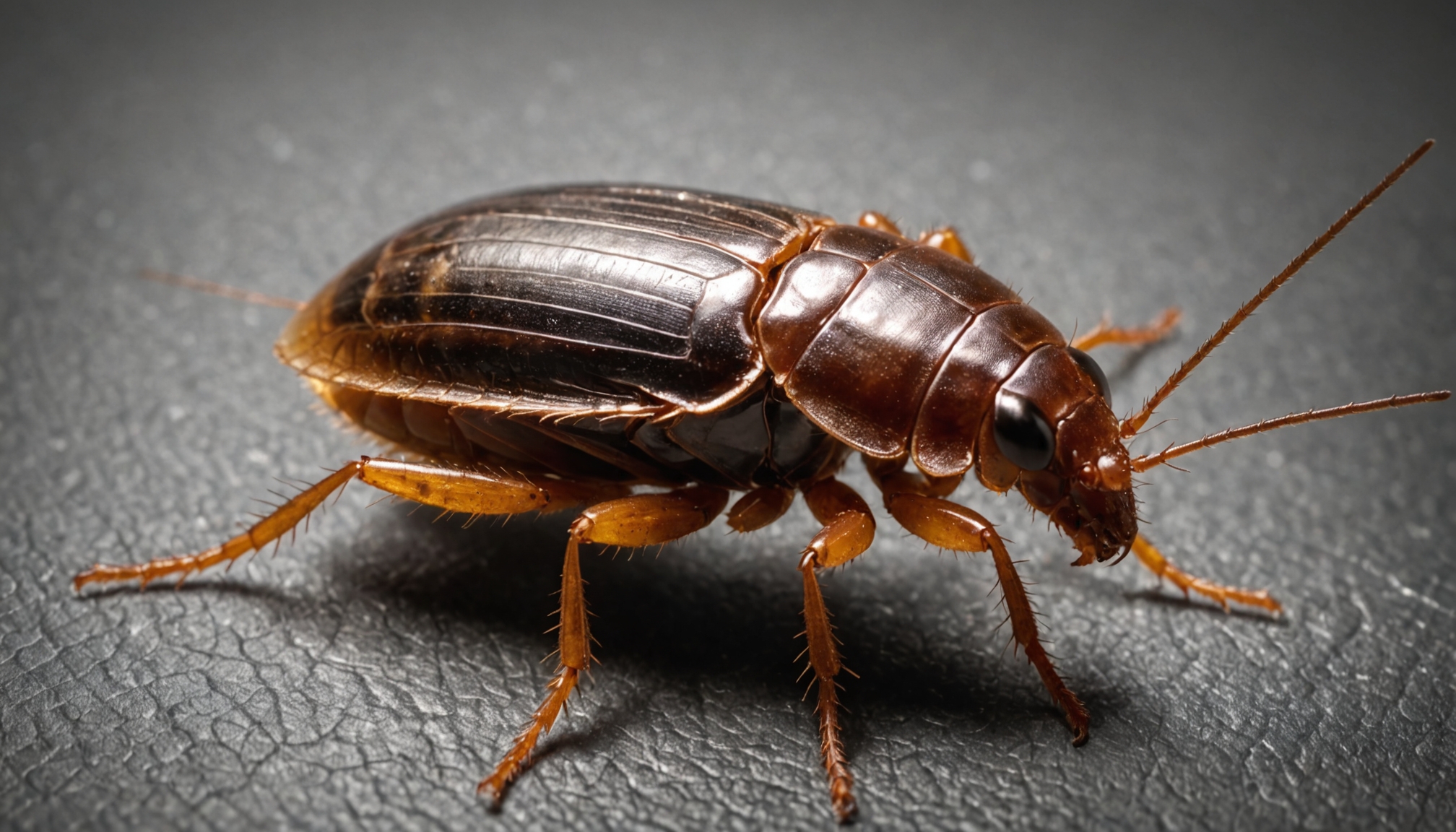
Compact and fast, baby cockroaches (nymphs) look like miniature, wingless versions of adults with flattened, oval bodies. You’ll see lengths from about 1/8 inch to just under 1 inch, with newly hatched nymphs around 1/4 inch. Their bodies show clear head, thorax, and abdomen segments, and the texture stays smoother and softer than adults until late stages. Right after a molt, they appear white or translucent, then darken as the exoskeleton hardens, shifting from light brown to amber, reddish brown, or dark brown. German cockroach nymphs display paired dark stripes from head to thorax. Wing pads emerge after several molts but remain nonfunctional until adulthood. Expect very long, segmented antennae, sturdy legs, and two rear cerci that aid sensory detection. Because nymphs indicate active breeding by adults, their presence is a strong sign of an infestation.
Behavior and Preferred Hiding Spots
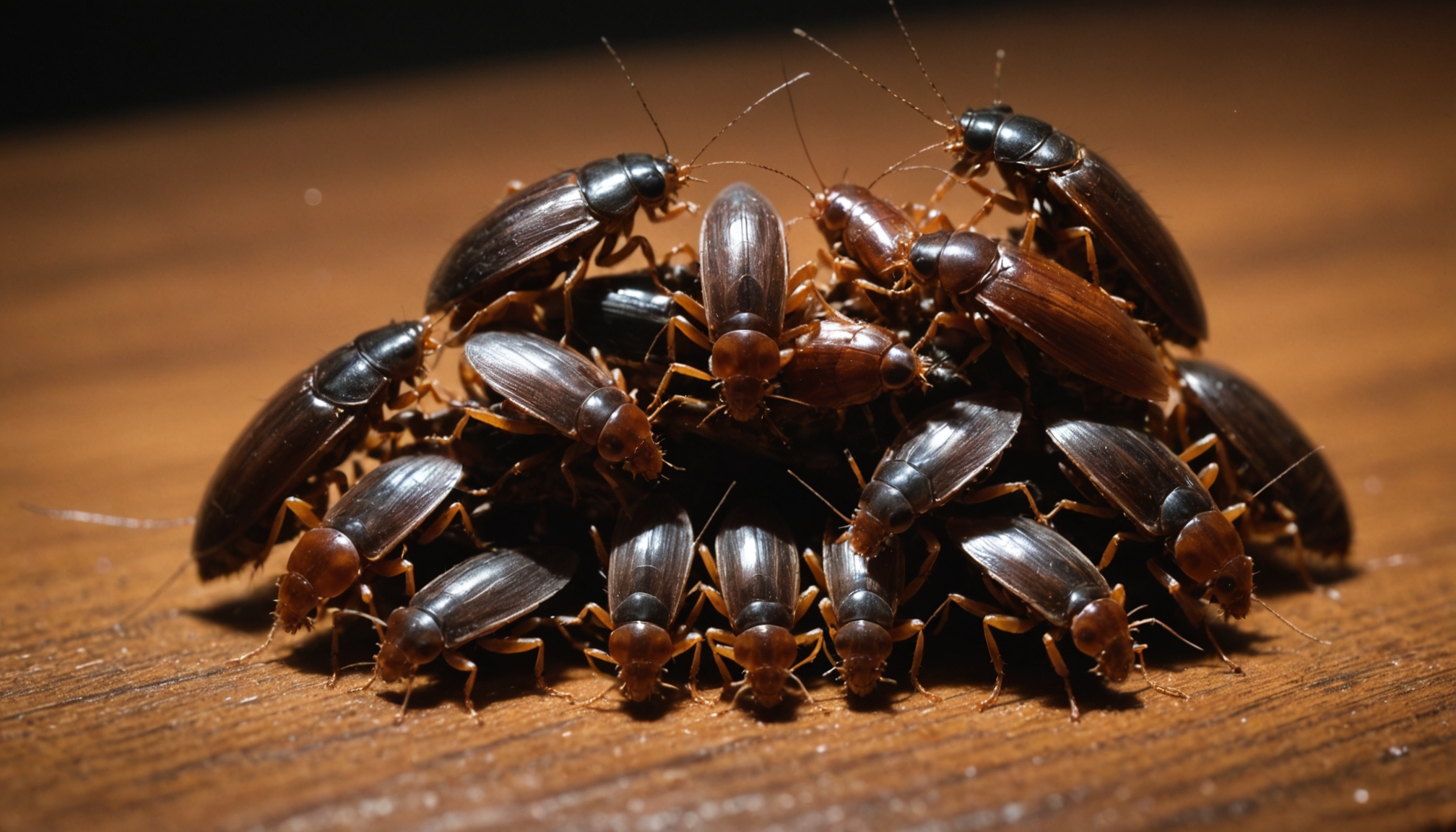
Beyond their small, wingless build, baby cockroaches stay busy and out of sight. You’ll notice fast, darting movements—especially at night—as they scurry from light and vibration. Their antennae and cerci sense air shifts, so they retreat instantly to dark cracks. Nymphs prefer to huddle; aggregation speeds growth and keeps them hidden, often where warmth and moisture collect near food and water. Baby roaches can carry bacteria like salmonella, posing health risks and signaling an active breeding population.
| Where they hide | Why it works | What you’ll see |
|---|---|---|
| Gaps in cabinets, baseboards, wall voids | Darkness, tight cover | Tiny droppings, shed skins |
| Under sinks, around pipes and drains | Moisture, steady humidity | Musty odor, smear marks |
| Behind stoves and refrigerators | Heat plus crumbs | Fast scattering when disturbed |
| Cardboard and cluttered storage | Harborage, organic debris | Repeated regrouping spots |
Disturbed nymphs scatter, then regroup in the same shelters.
Development Stages and Molting Timeline
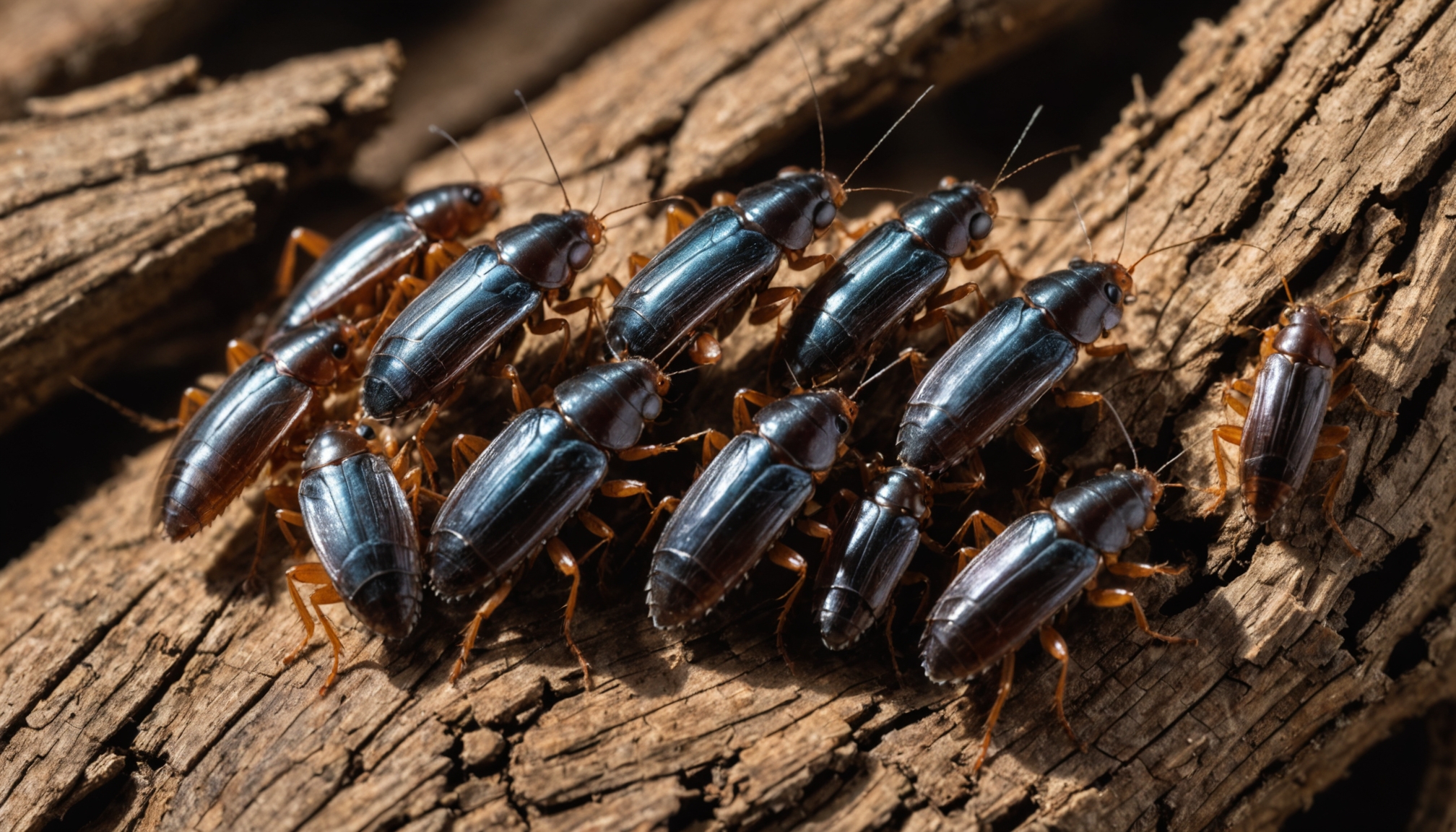
Although timelines vary by species and conditions, baby cockroaches follow a clear path: eggs hatch into nymphs that grow through multiple molts before becoming winged, reproducing adults. The egg stage can last 14 to 100 days. After hatching, nymphs grow by shedding their exoskeleton repeatedly, then become adults after the final molt. The full life cycle may take a few months to over a year. Female cockroaches often hide egg cases for protection.
You can gauge progress by molt count and pace. German cockroach nymphs usually molt six to seven times and often mature quickly—about 103 days in ideal warmth and humidity. American cockroaches molt 10 to 13 times, reaching adulthood around 600 days. Brown-banded nymphs molt up to eight times over five to six months, maturing near 276 days. Oriental cockroaches mature in 300 to 800 days. Temperature, humidity, diet, and moisture drive speed.
Species-Specific Nymph Identification
Knowing how fast nymphs grow helps, but you’ll confirm the species by size, markings, shape, and where you find them. German nymphs are tiny (3–10 mm), light brown, with two black stripes running from the pronotum down the body; they’re flat, fast, and cluster in warm, moist kitchens and bathrooms. Different nymphs favor different hiding spots and treatments, so identifying the species helps you target the right areas and methods. American nymphs start near 5 mm and reach up to 30 mm; they’re uniform grayish to reddish-brown, robust, and show wing pads by the 3rd instar, favoring humid basements, sewers, and plumbing lines, especially in summer.
Oriental nymphs measure 6–12 mm, darken to glossy black, look shiny and less flattened, and linger low in cool, damp spots. Brown-banded nymphs are 1.5–10 mm, slender, with pale body bands, frequenting warm, dry high locations. Dubia nymphs are slow, smooth, unstriped.
Common Look-Alikes and How to Tell Them Apart
You’ll often confuse baby roaches with other tiny pests, especially carpet beetles and booklice. To sort them out fast, focus on body shape, antenna length, movement, and where you find them. Next, you’ll compare carpet beetles vs. nymphs and booklice vs. roach nymphs using these clues. For example, watch for small, dark droppings that look like ground pepper near hiding spots, as these signs of infestation point more toward roaches than harmless lookalikes.
Carpet Beetles vs. Nymphs
Mistaken identity happens fast when tiny, oval insects dart across your floor, but carpet beetles and cockroach nymphs tell different stories up close. Check the body first: carpet beetles look round and dome-shaped with hard wing covers and patterned colors, while nymphs are flatter, more cylindrical, and uniformly reddish-brown to dark as they mature. Antennae help too—nymphs carry long, threadlike antennae; beetles have shorter, thicker ones.
Look at the rear: nymphs show two stubby cerci; beetles don’t. Watch movement. Nymphs scurry fast at night and hide in cracks; carpet beetles move slower by day and may fly toward windows. Location and damage matter: carpet beetles target wool, silk, and carpets; nymphs haunt kitchens and bathrooms, contaminating surfaces rather than chewing textiles.
Booklice vs. Roach Nymphs
If tiny, oval insects near fabrics can fool you, ones hugging damp shelves or book spines add a new twist. Booklice stay tiny—1–2 mm—soft, pale brown to creamy, often translucent, and wingless. Roach nymphs are larger at 3–6 mm, start white or gray, then darken to tan or brown. Look for long, thread-like antennae, spiny legs, and rear cerci on roach nymphs; booklice have shorter, smoother legs, less prominent antennae, and no cerci.
Check where you find them. Booklice cluster in humid spots—under wallpaper, inside books, or on moldy food—feeding on fungi and starches. Roach nymphs hide in warm, moist cracks near kitchens or bathrooms and move quickly at night. Booklice don’t bite or spread disease; roach nymph allergens can trigger asthma. Size, spines, and cerci clinch it.
Signs of Infestation and Next Steps for Control
Spot tiny, wingless roaches skittering from cracks at night—or even in daylight—and you’re likely seeing nymphs, a clear sign an infestation is already established. Look for 1/8–1/4-inch, light gray to tan bodies with undeveloped wing pads, pepper-like droppings, and papery shed skins along baseboards, under sinks, behind appliances, and near outlets. Even one or two nymphs means hidden breeding adults, accelerating in warm, humid homes. Additionally, the presence of these nymphs is one of the early signs of cockroach invasion, which can lead to a more serious problem if not addressed promptly. Regularly inspect your living spaces for any additional signs of these pests, such as egg cases and live adults, to help prevent a larger infestation. Taking immediate action can save you from costly extermination efforts and ensure a healthier living environment.
Act now: deep-clean to remove crumbs, grease, and water; declutter to deny harborage; fix leaks; vacuum droppings and sheds with a HEPA filter. Place gel baits and growth regulators targeting nymph molting; add sticky monitors to map activity. Inspect and remove oothecae. Seal cracks and cabinet gaps. If activity persists or is widespread, call a licensed professional.
Frequently Asked Questions
Are Baby Cockroaches Harmful to Pets or Humans?
Yes. You face health risks from baby cockroaches. They carry bacteria like Salmonella and E. coli, contaminating food and surfaces. Their droppings, saliva, and shed skins trigger allergies and asthma—especially in kids and sensitive people. Pets aren’t safe either: allergens can irritate skin and airways, and roaches can transmit pathogens like salmonella and tapeworms. Bites are rare, but scratches and contaminated environments can cause infections. Clean thoroughly, seal food, fix moisture, and consult professionals.
Can Baby Roaches Spread Diseases or Trigger Allergies?
Yes. Baby roaches can spread diseases and trigger allergies. They crawl through garbage, sewage, and animal waste, then track pathogens like Salmonella, E. coli, and Staph onto your food and surfaces via feces, saliva, and body parts. They also shed potent allergens that can worsen asthma and cause itching or sneezing, especially in sensitive people. Because nymphs develop quickly, infestations grow fast, increasing contamination and allergen exposure. Control and sanitation reduce risk.
Do Baby Roaches Indicate Nearby Egg Cases?
Yes. When you see baby roaches (nymphs), you’re likely close to egg cases (oothecae) that recently hatched or are still viable. Look for small, reddish- to dark-brown capsules, 5–13 mm long. Hatched ones appear split and deflated. German roaches may carry oothecae until hatching, so you might not find many. Nymphs of different sizes signal ongoing reproduction. Act fast: clean, reduce moisture, deploy baits/IGRs, and schedule follow-up treatments.
What Time of Year Are Baby Roaches Most Common?
They’re most common in spring and summer, when warmth and humidity speed up hatching and growth. You’ll see German and brown-banded nymphs peak in warm indoor months, often monthly. American roach babies surge late spring through early fall. Oriental roaches tolerate cooler temps, so you might spot them in cooler seasons, though activity dips in deep winter. Indoors with steady heat, you can encounter baby roaches year-round, with faster cycles and multiple generations.
Will DIY Traps Work on Tiny Nymphs?
Yes, DIY traps can catch tiny nymphs, but they’re best for monitoring, not full control. You’ll boost results by placing fresh pheromone or glue traps along walls, under sinks, and behind appliances. Replace them every 1–2 weeks and avoid sprays nearby. Pair traps with boric acid–sugar baits or peanut butter–boric acid dots to poison feeders. Clean crumbs, fix leaks, and seal cracks so nymphs leave shelter and hit your traps and baits.
Conclusion
You’ve got the knowledge to spot baby cockroaches fast—by size, shape, color, behavior, and where they hide. Now use it. Check common hotspots, confirm species traits, and rule out look-alikes. Track molting signs and clusters of droppings, skins, and egg cases. If you see multiple nymphs, act quickly: clean thoroughly, reduce moisture, seal entry points, and set baits or traps. For persistent activity, call a pro. Stay vigilant and you’ll break the life cycle early. Implement routine inspections to maintain a roach-free environment. Additionally, research effective methods on how to eliminate kitchen roaches quickly, ensuring that you address any potential breeding grounds. Remember, prevention is key—keeping your kitchen clean and free of food debris will significantly lower the chances of a roach infestation.


