

Spot Germans (1/2–5/8 in, tan with two dark stripes) vs Americans (1.5–2 in, reddish-brown with pale band). Germans stay indoors in warm, tight kitchen/bath spaces; Americans come from sewers, basements, and mulch, flying in warmth. Germans explode fast—one female can lead to 30,000 nymphs yearly; Americans around 800. Both are nocturnal; daytime sightings mean heavy infestations. Prevent with airtight sanitation, sealing cracks, drying leaks, and gel baits plus IGRs. You’ll also learn where to focus traps and treatments.
Key Takeaways
- Identification: Germans are small tan roaches with two dark stripes; Americans are larger, reddish-brown with a yellow band behind the head.
- Habitat: Germans thrive indoors in kitchens and bathrooms; Americans favor sewers, basements, drains, and outdoor mulch or leaf litter.
- Activity: Both are nocturnal; Germans emerge soon after lights out, while Americans peak later and may fly in warm conditions.
- Reproduction: Germans explode indoors—one female can yield 30,000+ nymphs yearly; Americans produce far fewer, around 800 annually.
- Control: Prioritize sanitation, sealing cracks, fixing leaks, gel baits and IGRs; use targeted crack-and-crevice treatments and monitor with sticky traps.
Identification and Key Differences
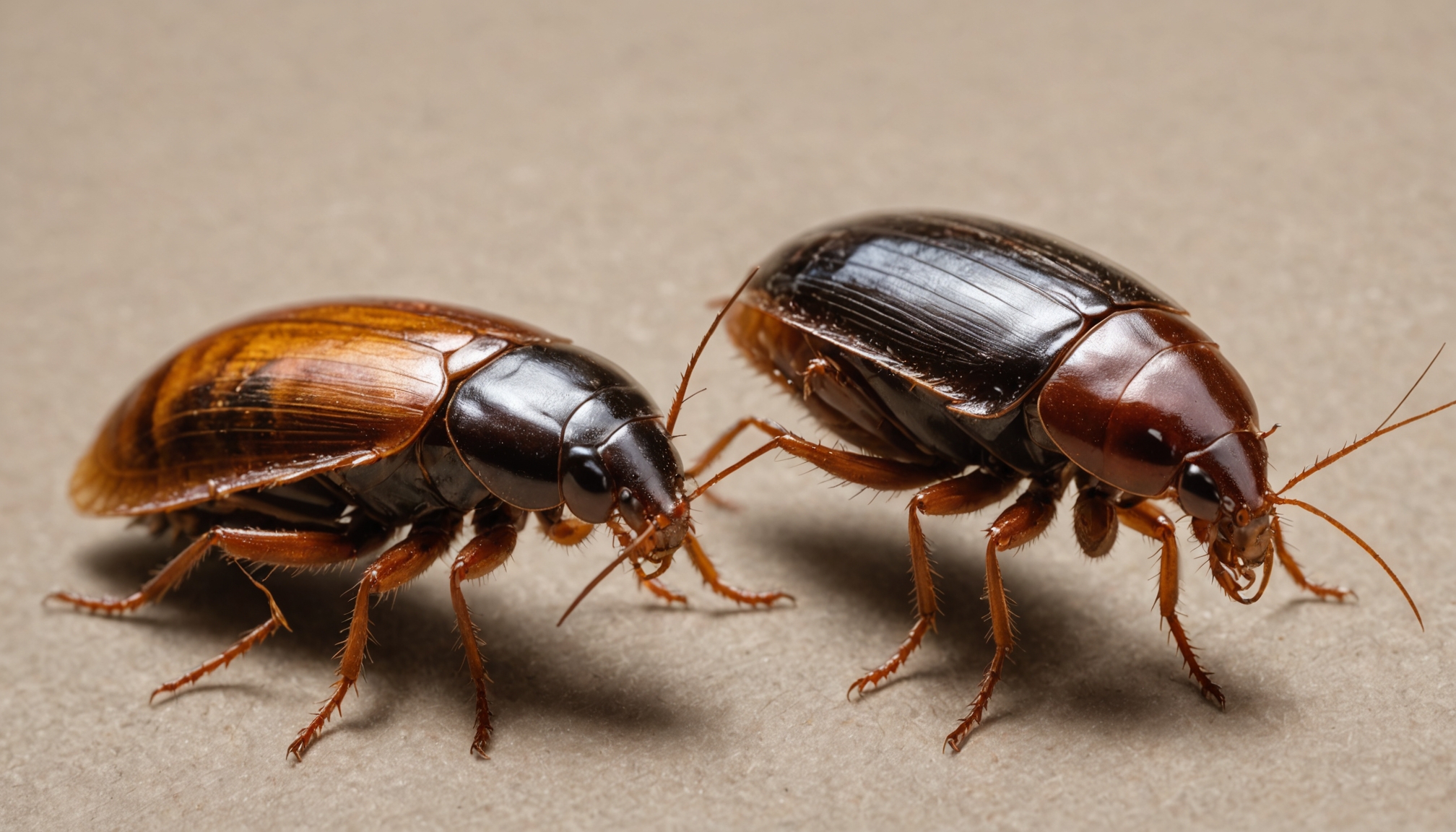
Spot-the-roach basics start with size, shape, and markings. You can quickly separate German from American roaches by length: Germans run about 1/2 to 5/8 inch and slim; Americans stretch 1 1/2 to 2 inches and look broader. Germans are light brown to tan with two crisp dark stripes on the pronotum; Americans are reddish-brown with a pale yellow band around the thorax. Nymph clues help: German nymphs are darker with a single stripe; American nymphs start gray-brown and redden as they mature.
Check wings and movement. Germans have shorter wings and rarely fly, preferring a fast scuttle. Americans have full wings, often fly in warm conditions, and their wings cover the abdomen. Both have six legs and long antennae, but Germans appear more delicate. Cockroaches commonly congregate in kitchens and bathrooms where they find food, water, and warmth.
Habitats and Where They’re Found
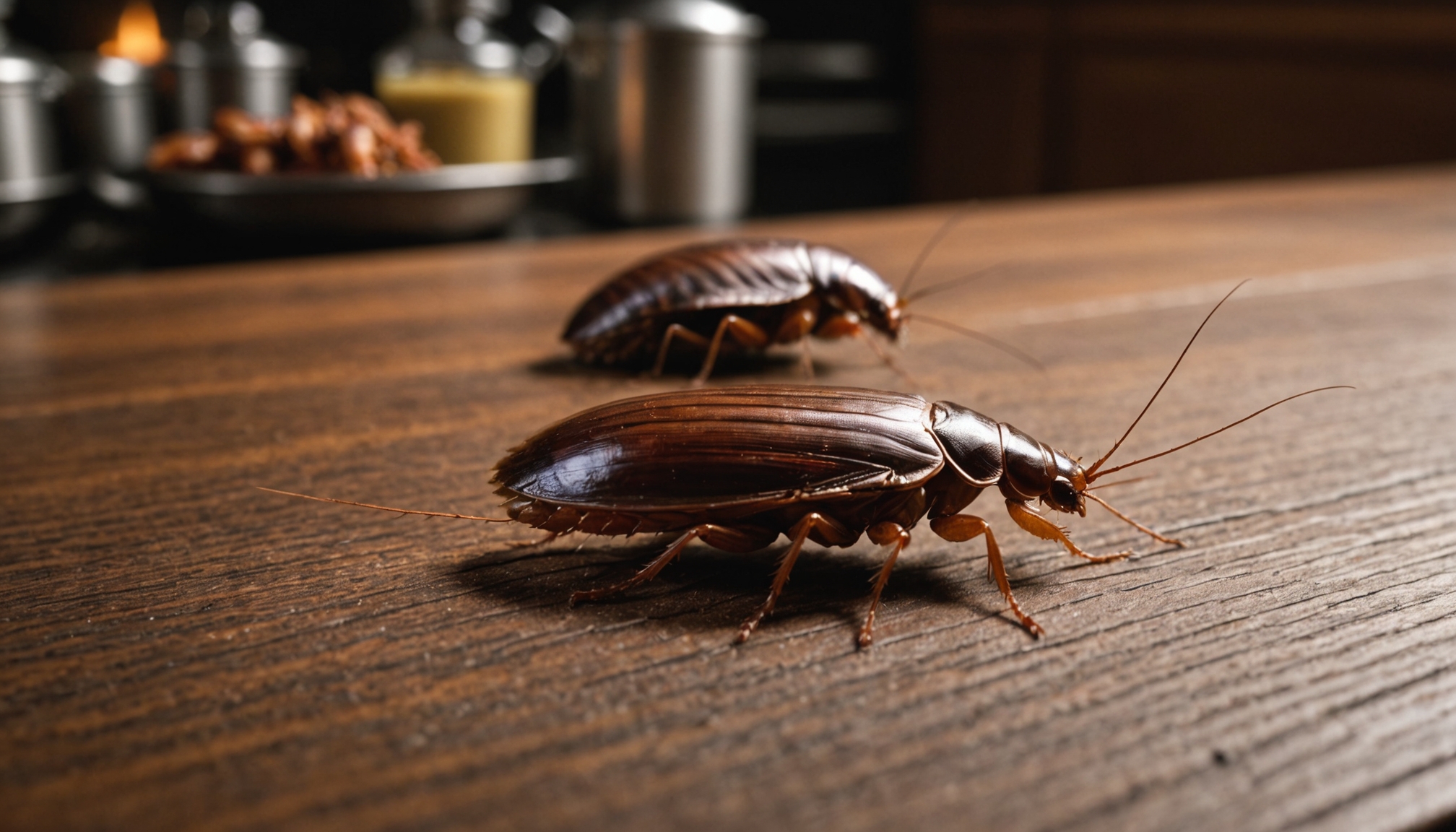
Though both species gravitate to warmth and moisture, they occupy different niches. You’ll meet German cockroaches almost exclusively indoors—kitchens and bathrooms near stoves, dishwashers, sinks, and shared plumbing. They pack into cracks, crevices, wall voids, and inside appliances, thriving from sea level to roughly 1200 meters, but struggling in cold, dry, or high-elevation settings. German cockroaches are abundant and not a species of concern globally, reflecting their success as urban pests. American cockroaches tolerate cooler spots and survive outdoors, frequenting sewers, basements, boiler rooms, crawl spaces, drains, and even mulch or wood piles around buildings.
Use this quick guide to pinpoint each species:
1) Indoors, tight spaces: Germans behind baseboards, cabinet voids, and under appliances.
2) Large, damp infrastructures: Americans in warehouses, heating ducts, ship holds, and subway systems.
3) Outdoors near structures: Americans in leaf litter, mulch beds, and utility corridors.
Behavior and Daily Activity Patterns
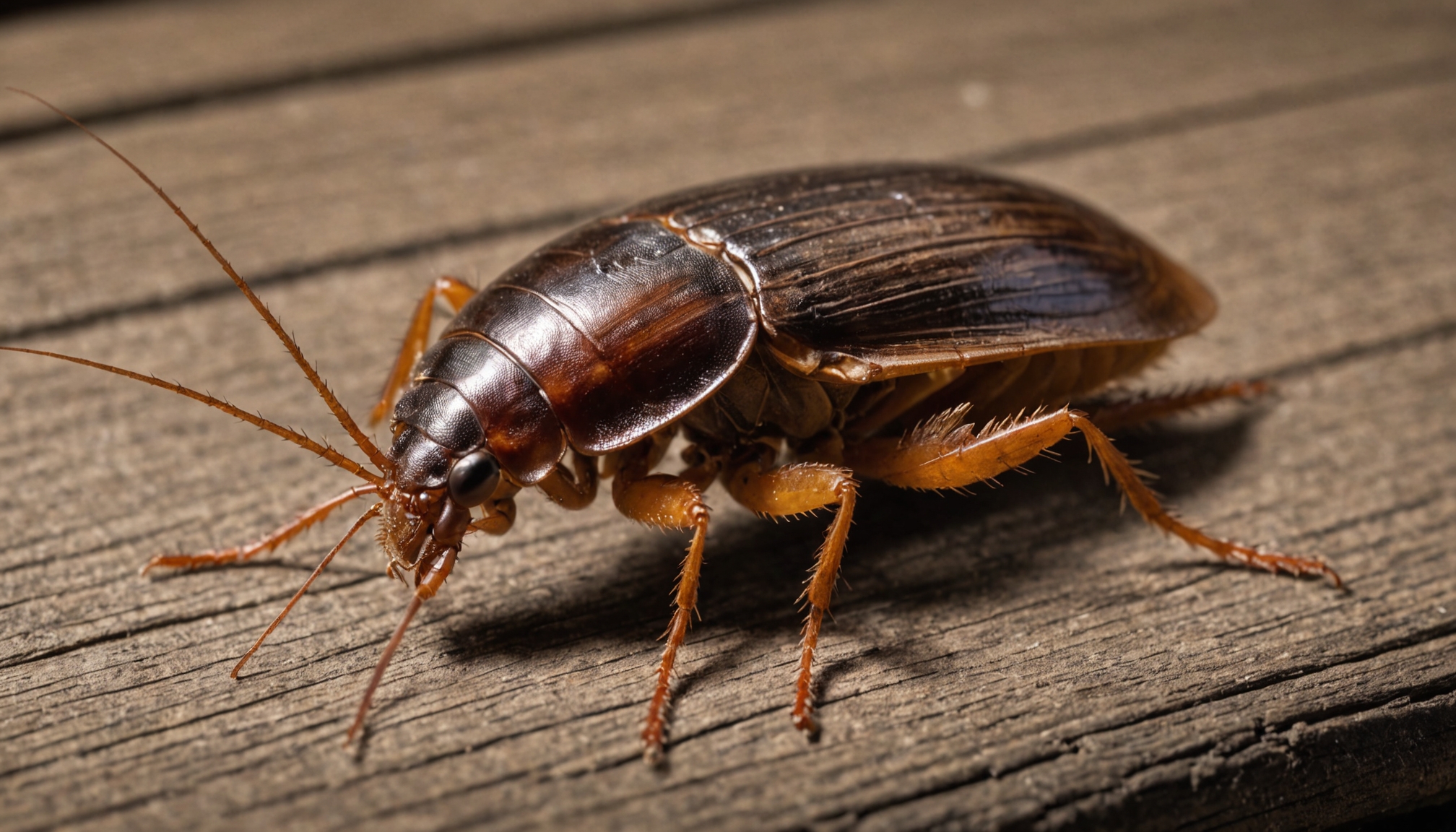
As night falls, you’ll notice both species become most active, foraging along walls and edges while avoiding light. By day, you’ll find them tucked into tight, warm, and moist hiding sites—German cockroaches in kitchen and bathroom crevices, American cockroaches in basements and utility voids. Their nocturnal runs focus on food and moisture, and for males, on locating receptive mates, which can accelerate infestations when resources are plentiful. German cockroaches reproduce rapidly, with one female potentially leading to over 10,000 descendants in a year.
Nocturnal Foraging Habits
Once darkness settles, German and American cockroaches diverge in when and where they hunt. You’ll notice German roaches emerge soon after lights go out, syncing with your evening routines to raid kitchens and bathrooms for starches, sweets, grease, and crumbs. American roaches peak later at night, often moving from basements, crawl spaces, or outdoors; in warm, humid conditions they may glide short distances to reach dispersed food. Both avoid light, so daytime sightings usually signal heavy pressure. German roaches reproduce rapidly, so nighttime activity can escalate quickly without prompt control.
1) Time your checks: watch early night for German roaches; scan late night for American roaches.
2) Map hotspots: target warm, moist zones indoors for Germans; inspect damp basements, sewers, and exterior entry points for Americans.
3) Remove attractants: seal food, wipe grease, dry leaks, and clean floor edges.
Daytime Hiding Sites
Even in a quiet house, both species vanish into dependable daytime refuges that balance warmth, humidity, and quick escape. You’ll find German cockroaches packed into tight cracks near warmth and water—under sinks, inside cabinets, and around refrigerators, stoves, and microwaves. They flatten into narrow gaps and cluster within three meters of harborage, shunning light and bolting when exposed. Activity increases when indoor temperatures rise, as both species become more mobile and forage more actively under warm conditions.
American cockroaches choose broader, wetter shelters: sewers, storm drains, crawl spaces, basements, and steam tunnels. Outdoors, they slip under wood piles, leaf litter, and logs. Indoors, they favor dark corners near plumbing. Their larger size and flight let them occupy more open cavities and move between sites. These preferred habitats provide American cockroaches with moisture and protection, allowing them to thrive in urban environments. Understanding the behaviors and habitats of these insects contributes to effective pest management strategies, as the various types of cockroaches explained can differ significantly in their nesting preferences and survival tactics. This knowledge is crucial for homeowners looking to mitigate infestations in both residential and commercial settings.
Both species navigate by scent and sight, selecting hideouts that keep conditions warm and moist and provide fast exit routes.
Food and Mate Seeking
While lights are low and kitchens quiet, both species leave cover to hunt food and mates along scent-marked routes. You’ll see German cockroaches sample many items—starches, sweets, grease, meats—and even glue or paper, adjusting their protein-to-carbohydrate intake near 1:3 as local options change. American cockroaches lean hard toward walnuts, then bread and peanuts; bananas or potatoes may not draw them at all, and some show no clear preference.
They follow fecal pheromones that flag safe shelters and feeders, which also pull in mates. Antennae chemoreceptors steer Americans to odors before they commit. Germans weigh bait by attraction and feeding time—fipronil wins first bites, hydramethylnon keeps them feeding longer.
1) Reduce walnut, grease, and crumb access.
2) Place preferred baits along travel edges.
3) Clean fecal spotting to disrupt aggregation.
Reproduction and Population Growth
Although both species are prolific, German cockroaches outpace American cockroaches in reproduction and population growth, especially indoors. You’ll see why: a single German female can generate over 30,000 nymphs a year under ideal conditions, while an American female tops out around 800. Germans carry oothecae internally until just before hatching, boosting survival; Americans glue theirs to surfaces, exposing them despite wider dispersal.
German oothecae hold 30–50 eggs, with 4–8 cases per female. American females produce 9–10 cases, but each holds only 14–16 eggs. German eggs hatch in about 28 days, especially fast at 75–85°F and high humidity; American eggs take 6–8 weeks. German nymphs mature in roughly 100 days, enabling up to four indoor generations yearly. American nymphs often need 6–26 months, slowing expansion.
Health Risks and Signs of Infestation
Because both German and American cockroaches live and feed where people eat and breathe, they pose real health risks through contamination and allergens. They carry Salmonella and E. coli, spreading them via droppings, saliva, and body parts on food and surfaces. German cockroaches linger in kitchens and prep areas, amplifying indoor contamination. American cockroaches often enter from sewers and damp zones, introducing pathogens when they move inside. Both species raise illness risks and worsen indoor air quality.
German and American cockroaches contaminate kitchens, spread pathogens, and worsen indoor air quality.
Watch for clear signs tied to health concerns:
- German: coffee‑ground droppings, oothecae in cracks, musty odor, and nighttime sightings near sinks and appliances.
- American: reddish‑brown droppings in basements, rustling near drains, egg cases left behind, and moisture clues.
- In either case: increased asthma symptoms, allergy flare‑ups, and persistent respiratory irritation.
Prevention and Control Strategies
Even before you spot a roach, prevention starts with airtight sanitation, tight building seals, and smart monitoring. Clean crumbs, spills, and grease from counters, floors, and appliances. Empty trash daily and use tight-lidded bins. Pull out and clean behind appliances. Fix leaks fast and keep kitchens and bathrooms dry. Declutter and swap cardboard for airtight or glass containers.
Seal cracks around baseboards, pipes, doors, and windows. Install door sweeps, weather stripping, and fine mesh on vents. Inspect groceries and second-hand items before bringing them inside. Keep firewood, mulch, and compost away from the foundation.
Use IPM: inspect, set sticky or jar traps, and act on monitoring data. Prioritize gel baits near harborages; add IGRs. Limit sprays to precise crack-and-crevice spots.
Frequently Asked Questions
Do German or American Cockroaches Have Natural Predators Indoors?
Yes, both German and American cockroaches have a few natural predators indoors, but not many. You’ll mostly see spiders, centipedes, and some ants take them down; beetle larvae and silverfish may scavenge weak or dead ones. Occasionally, small lizards or wasps help, but they’re uncommon inside. German roaches, being smaller and kitchen-bound, are slightly more vulnerable. Still, predator pressure is minimal, so you’ll usually need targeted sanitation, exclusion, and baits to control infestations.
How Do Seasons Affect Cockroach Visibility and Activity Levels?
Seasons change cockroach visibility by shifting temperature and humidity. You’ll see more activity above 70°F with high humidity, especially late spring through summer, as metabolism, feeding, and breeding spike. Heat or drought can drive roaches indoors seeking moisture; rain or leaks boost indoor humidity and sightings. Cold slows movement and reproduction outdoors, pushing roaches inside for warmth. They stay nocturnal year-round, but warm months increase nighttime foraging; daytime sightings often signal heavy infestations.
Can Smart Home Devices Help Monitor Cockroach Activity?
Yes. You can repurpose smart home devices to monitor cockroach activity. Motion, infrared, and PIR sensors detect small movements and heat, sometimes even triggering alarms near entry points. IoT traps stream real-time data, send alerts, and auto-activate when they sense roaches. AI analysis spots patterns, reduces unnecessary pesticide use, and improves timing. You’ll get smart reports that track hotspots and trends, and some systems integrate with pest control services for targeted interventions.
Are There Ethical or Humane Cockroach Control Options?
Yes. You can prioritize humane, low-toxicity methods that prevent suffering and protect non-targets. Use glue or pheromone traps for monitoring, live traps for capture-and-release (experimental), and vacuuming to remove roaches and egg cases. Seal cracks, reduce moisture, and store food tightly to deny resources. Choose boric acid or food-grade diatomaceous earth in thin applications, and avoid sprays or foggers. Clean with vinegar, dispose of trash promptly, and monitor regularly to minimize chemicals.
What Legal Restrictions Apply to DIY Pesticide Use at Home?
You must follow federal and state rules. Under FIFRA, you can’t sell or distribute homemade pesticides without EPA registration. Even at home, you should use registered products and follow labels—they’re legally enforceable. Some minimum-risk products are exempt, but states may still require licensing for certain uses. Avoid unsafe mixes; they can harm people, pets, and the environment. Use IPM, read safety directions, protect food and waterways, and consider a licensed pro when needed.
Conclusion
You’ve got the tools to tell German and American cockroaches apart, spot where they live, and understand how they move, breed, and spread risks. Use that knowledge to act fast: seal entry points, reduce moisture, clean thoroughly, and eliminate food sources. Monitor with sticky traps and treat hotspots promptly. If activity persists, call a licensed pro. Staying vigilant and consistent keeps infestations from exploding—and protects your home, health, and peace of mind. Don’t wait; take control today. In addition to these proactive measures, consider incorporating natural cockroach prevention methods such as diatomaceous earth or essential oils like peppermint and tea tree oil, which can deter these pests without harmful chemicals. Regularly inspect areas where food is stored and ensure that trash is sealed tightly to minimize attractants. By integrating these strategies into your routine, you’ll create an environment that is less hospitable to cockroaches.


