

If you spot one cockroach, assume others are hiding. Roaches cluster, breed fast, and favor dark, warm spots near food and water—think under sinks, behind appliances, inside cabinets, and in clutter. Look for pepper-like droppings, egg casings, shed skins, smear marks, and a musty odor. Seal cracks, fix leaks, declutter, and store food airtight. Use sticky traps to confirm hotspots and place gel baits in kitchens and bathrooms. Keep monitoring—there’s more you can do next.
Key Takeaways
- One roach often signals a nearby hidden colony; roaches are social and reproduce rapidly.
- Check dark, warm, moist spots near food and water: under sinks, behind appliances, cabinets, and clutter.
- Look for droppings, egg casings, shed skins, smear marks, and musty, oily odors as infestation evidence.
- Set sticky traps to confirm activity and pinpoint hotspots; daytime sightings suggest heavy infestations.
- Act quickly: seal entry points, fix leaks, clean thoroughly, declutter, and place targeted baits in kitchens and bathrooms.
Why One Roach Signals Many More
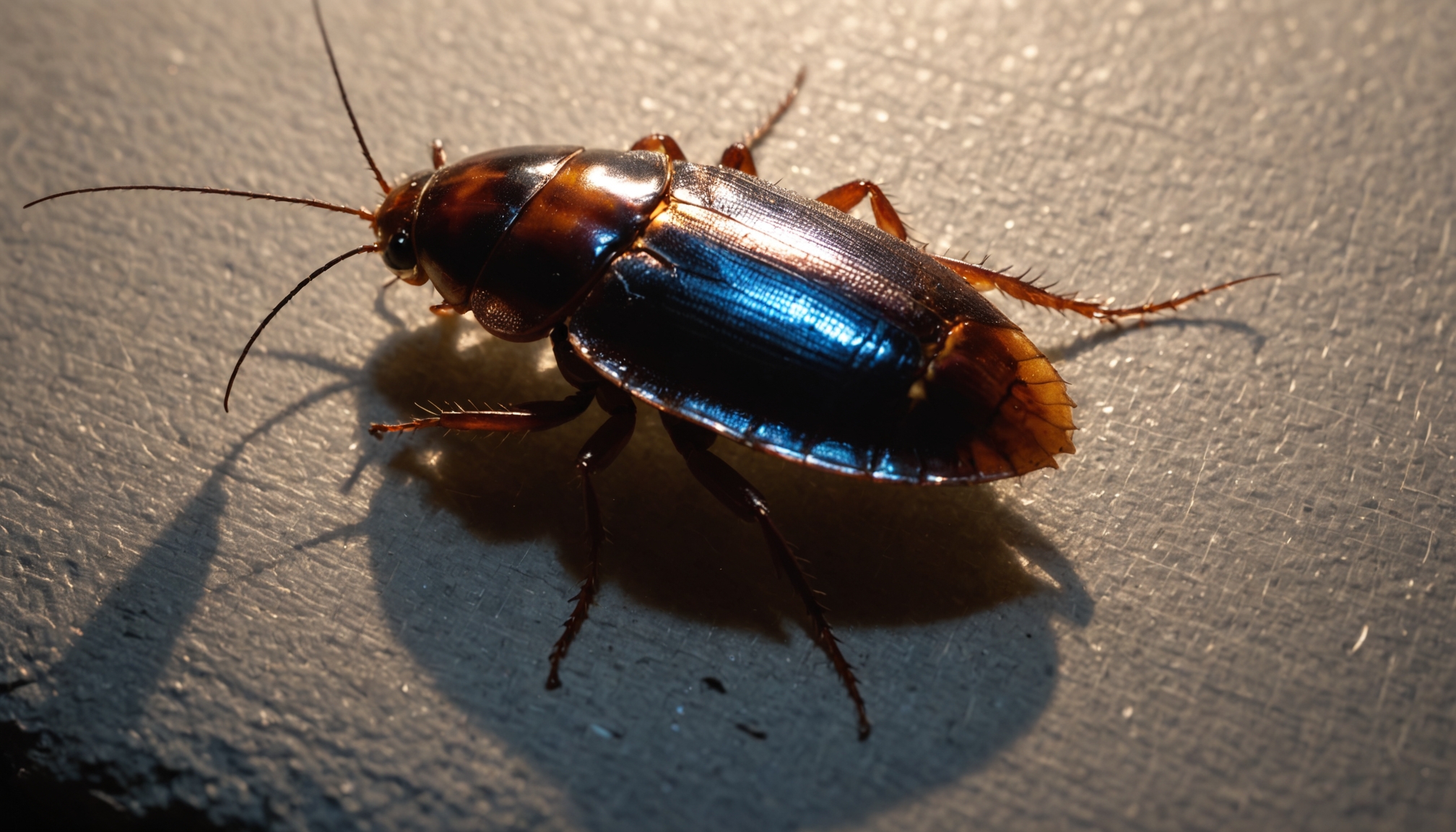
Even if you spot just one roach, it’s often a warning that many more are nearby. Roaches are social pests that cluster in groups, and they reproduce fast. One sighting can mean a hidden colony is already established, drawn by food, water, and warmth you might not realize you’re providing. Pay attention to signs: pepper-like droppings, oval eggs or casings, smear marks in damp spots, and a musty odor. Single roach sightings warrant further investigation to determine if an infestation is developing.
Seeing multiple roaches—especially in daylight—suggests heavy activity. German roaches, in particular, breed rapidly and typically indicate a larger infestation. American roaches still warrant action, and correct identification helps you judge urgency. Beyond nuisance, roaches carry bacteria like E. coli and salmonella, trigger allergies and asthma, contaminate food, and undermine hygiene, so swift, informed response matters.
Where Roaches Hide in Your Home
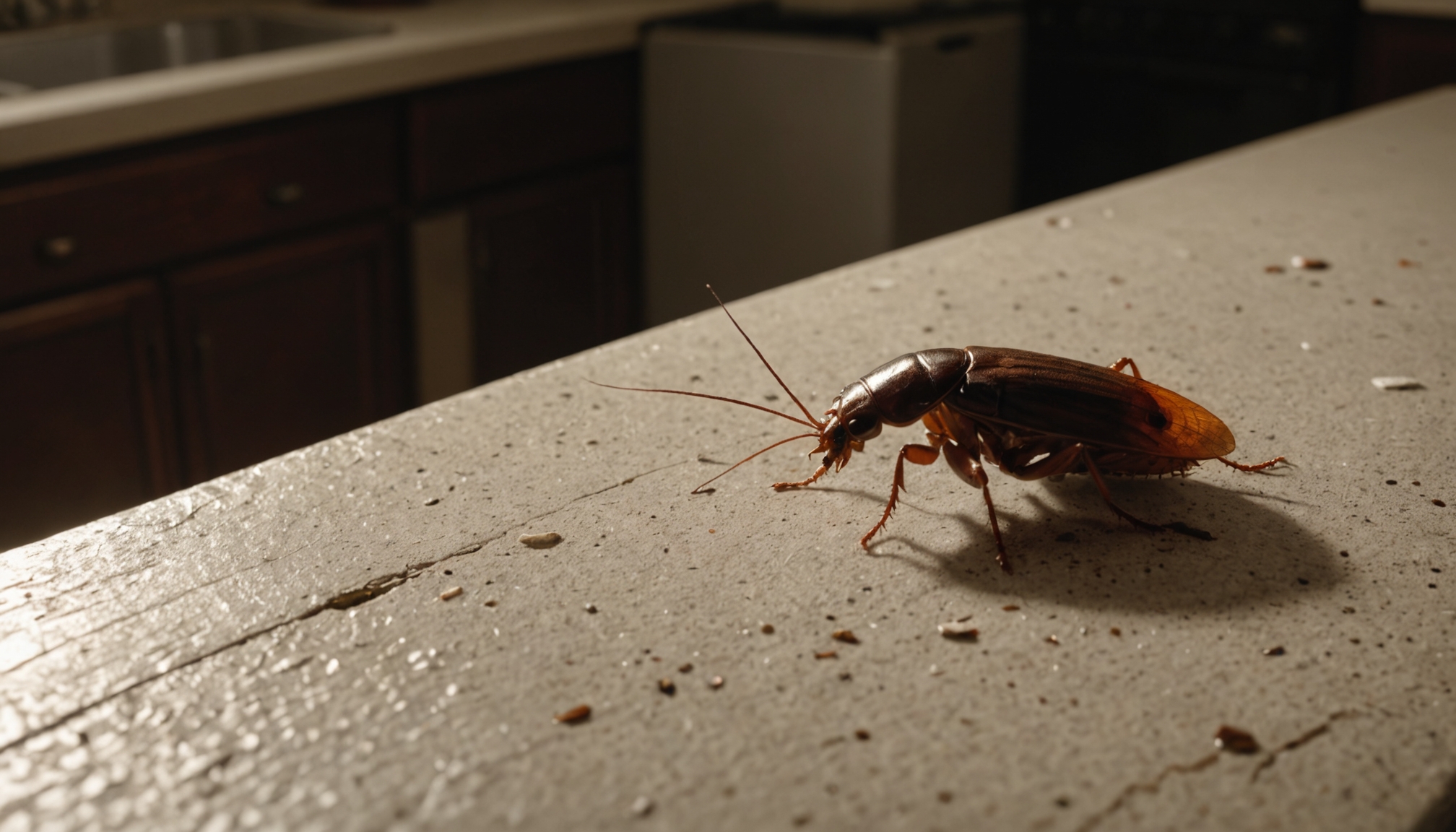
While roaches can show up almost anywhere, they cluster in tight, dark, and warm spots close to food and water. Start with your kitchen: inside cabinets, behind refrigerators and dishwashers, under sinks, and around microwaves and toasters. They slip into cereal boxes, ride crumbs on floors, and nest where containers aren’t sealed. Bathrooms invite them with leaky plumbing, moist cabinets, drains, and crevices around toilets and tubs. Utilities and electronics add constant heat—water heaters, wiring gaps, and the backs of appliances become reliable hideouts. Different species, like German cockroaches, often prefer kitchens and bathrooms because they thrive in warm, moist areas with easy access to food.
Roaches flock to tight, dark, warm spots near food, moisture, and heat—especially kitchens, bathrooms, and appliances.
| Hotspots | Why They Hide |
|---|---|
| Kitchen cabinets/pantries | Darkness, food access |
| Under sinks/drains | Moisture, leaks |
| Behind appliances | Heat, crumbs, little disturbance |
| Electronics/utilities | Warmth, tight cavities |
| Clutter/cardboard | Shelter, easy concealment |
Check furniture undersides, storage rooms, basements, attics, and pet food areas. Seal cracks and gaps.
Telltale Signs You’re Not Seeing Them All

You can miss roaches even when you don’t see them, so check for hidden droppings and shed skins behind appliances, inside cabinets, and along baseboards. Trust your nose—musty, oily odors often point to a larger, concealed population. Set sticky traps near warm, dark zones to confirm activity and pinpoint hotspots you’re overlooking. Early detection is crucial because professional intervention often becomes necessary once a colony establishes itself.
Hidden Droppings and Skins
Although you might not spot a single roach, their hidden droppings, egg cases, and shed skins tell the real story of where they travel and breed. You’ll find coffee-ground specks or pepper-like dust along baseboards, behind appliances, and under cabinets. Tiny specks suggest German roaches; larger, cylindrical pellets point to bigger species. Smear a speck—if it smudges, it’s likely cockroach feces, not mouse. Cockroach droppings and body parts can trigger asthma and allergies, especially in sensitive individuals.
Brown, ridged egg cases tucked in cracks or behind furniture confirm breeding. Translucent shed skins near food or storage show multiple life stages and an entrenched population.
| Clue | What it Signals |
|---|---|
| Fine specks | Small species, active routes |
| Cylindrical pellets | Larger species nearby |
| Oothecae (egg cases) | Ongoing reproduction |
| Shed skins | Multiple life stages established |
Accurate ID prevents delays—and worsening infestations.
Musty Odors and Traps
Even before a roach darts across the floor, a damp, oily, slightly sweet musty odor can tip you off—and simple traps can prove it. You’ll notice it first in humid, enclosed spaces—under sinks, inside cabinets, behind the fridge—then spreading to rooms and fabrics. That smell isn’t “just dirt”; it’s pheromones, fatty acids, VOCs from gut bacteria, and oleic acid from dead roaches. As numbers grow, the odor intensifies, lingers after cleaning, and can even taint food. Early detection of cockroach odors allows for intervention before severe infestations develop.
Use sticky or pheromone traps to confirm what your nose suspects. Place them behind appliances, along baseboards, in dark corners, and inside pantries. Check weekly. Rising catch counts, shed skins, or egg cases signal expanding activity. Persistent odor plus consistent trap hits means hidden harborage—time for targeted treatment or a professional inspection.
How Cockroach Biology Fuels Rapid Infestations
Biology is the engine behind cockroaches’ explosive growth, turning a few intruders into a persistent infestation. You’re dealing with insects built to multiply: German cockroaches cluster near food and water, mate efficiently, and rear nymphs that thrive by eating adult feces rich in concentrated nutrients. Their omnivorous diet boosts gut microbes that improve fitness and reproduction, pushing populations to climb exponentially.
Aggregation isn’t random—it’s microbe-driven. Gut bacteria help synthesize pheromones that pull roaches together, improving feeding efficiency and protection. Disrupt those microbes, and you weaken group formation and growth.
Roaches also endure. Flat bodies slip into hairline cracks; they survive weeks without food and long stretches with little water. Add rapid detoxification and multi-insecticide resistance—even cross-resistance—and attempts to knock them back often trigger swift rebounds.
Common Ways Roaches Get In and Spread
While infestations explode from within, they often start with simple openings you overlook. Roaches squeeze through gaps around doors and windows, cracked foundations, and unsealed utility penetrations for pipes, wires, and cables. Torn screens, unscreened vents, and chimneys act like ladders. They also slip in around dryer vents and electrical boxes, then vanish into wall and ceiling crevices or behind décor where light is minimal.
Moisture pulls them deeper. Leaky faucets, sweating pipes, and broken seals under sinks create dark, damp corridors. Floor drains and plumbing lines connect to sewers, letting roaches enter unseen and spread room to room.
You can also carry them inside. Secondhand appliances, furniture, grocery boxes, deliveries, luggage, and backpacks harbor eggs or nymphs. In multi-unit buildings, shared walls and shafts enable constant migration.
Smart Steps to Prevent and Control an Outbreak
Start by sealing entry points and drying out leaks so roaches can’t get in or find water. Clean and declutter to remove food, shelter, and hiding spots. Then place targeted baits near hotspots like under sinks, behind appliances, and along baseboards, and adjust as monitoring reveals activity.
Seal Entry Points
Even before you set traps, cut off cockroaches’ access by sealing every gap they can use to slip inside. Inspect your foundation, walls, and floors for hairline cracks. Caulk exterior gaps and around window and door frames. Add door sweeps and fresh weatherstripping to close light leaks. Screen attic, crawlspace, and dryer vents. Pack steel wool as a temporary block in holes until you apply permanent sealants.
Focus on plumbing and utilities: fill spaces around pipes, water lines, and cable or electrical penetrations with expanding foam or specialized sealants. Close gaps under thresholds and along door frames. Store grocery bags and cardboard outside or recycle promptly to avoid hitchhikers. These steps reduce stress, cut costs, protect health, safeguard property, and support an effective IPM plan.
Target Bait Placement
After you’ve sealed entry points, place bait where roaches actually live and travel so they find it fast. Hit kitchens first: dot gel behind and under the fridge, dishwasher, and oven, then along cabinet edges, drawer corners, and crevices. In bathrooms, bait behind toilets, under sinks, and near damp junctions. Add placements behind electronics, in laundry rooms near washers/dryers, and inside storage closets. Prioritize spots with fecal specks and egg casings—their pheromones pull roaches in.
Use many small dots, not big blobs. Inject bait into cracks and voids near harborages; keep it off exposed surfaces. Skip sprays that can repel; reapply in a week for heavy activity. Keep bait out of reach of kids and pets, protect from moisture, and use labeled stations or gels.
Clean, Declutter, Dry
While baits do the killing, cleanliness starves roaches and dries out their hideouts. Sweep, mop, and take out trash often. Wipe spills and grease on counters, stoves, and floors right away. Store food in airtight containers, keep trash lids closed, and move outdoor bins away from doors. Fix leaky faucets and pipes fast.
Declutter relentlessly. Toss cardboard, paper stacks, and grocery bags. Organize shelves so you can clean and inspect. Clear cabinets, under sinks, and behind appliances; vacuum those zones and seal cracks, crevices, and holes.
Keep it dry. Run dehumidifiers, boost ventilation, and don’t leave pet bowls or plant saucers wet overnight. Check dishwashers, fridges, and washers for drips. Clean scent trails with vinegar-water, vacuum with HEPA, set sticky traps, and keep monitoring—even after roaches seem gone.
Frequently Asked Questions
Are Cockroaches Dangerous to Pets or Spread Specific Diseases?
Yes, cockroaches are dangerous to pets and can spread specific diseases. They carry Salmonella, E. coli, Staphylococcus, and other bacteria, contaminating food and water bowls. Pets that ingest roaches can develop gastrointestinal infections, parasites, dehydration, and lethargy. Roach allergens trigger asthma, dermatitis, and respiratory distress. Rare bites irritate skin. Keep bowls clean, store food securely, use pet-safe control methods, and monitor symptoms. If your pet shows illness after exposure, contact your vet promptly.
Can Roaches Trigger Asthma or Allergy Symptoms in Children?
Yes—roaches can trigger asthma and allergy symptoms in children. You’re likely to see sneezing, runny nose, itchy eyes, coughing, wheezing, chest tightness, or flare-ups, especially in sensitized kids. Cockroach feces, saliva, and body parts become airborne and provoke reactions, with inner-city children at higher risk. You can reduce symptoms by eliminating pests, sealing cracks, cleaning food debris, using bait/gel traps, HEPA vacuuming, dehumidifying, and consulting an allergist for testing and tailored management.
Do Ultrasonic Repellents Actually Work Against Cockroaches?
They mostly don’t. In labs, certain frequencies (around 35–75 kHz) showed modest repellency and some lethality, but real homes don’t replicate those conditions. Commercial units typically repel under 20%, and roaches adapt fast. Ultrasound doesn’t penetrate walls or reach harborages, and it won’t stop breeding. Regulators have warned about exaggerated claims. If you try one, use it only as a minor add-on to IPM: sanitation, exclusion, baits, dusts, and traps.
How Long Do Cockroaches Live Without Food or Water?
Cockroaches live about a month without food but usually die within a week without water. You’ll see variation by species: German roaches may last up to 12 days waterless, while American roaches can stretch a bit longer. Cooler, humid conditions help them survive by slowing metabolism and reducing dehydration. They’ll rest more or go semi-dormant to conserve energy. Since they eat almost anything, cutting water sources and humidity works better than relying on food deprivation.
Will Essential Oils or Natural Remedies Effectively Eliminate Roaches?
No, essential oils and natural remedies won’t eliminate roaches, but they can help repel them. You’ll see decent short-term results with peppermint, oregano, clove, or eucalyptus—sprayed on trails, cracks, and entry points—reapplying every few days. Higher concentrations may kill nymphs, not entrenched colonies. Combine oils with cleaning, sealing gaps, decluttering, and traps or baits. If you’re seeing multiple roaches or daytime activity, call a pro for targeted treatment.
Conclusion
Spotting one cockroach means there are likely many more hiding nearby. They squeeze into cracks, breed fast, and spread through pipes, packages, and clutter. Watch for droppings, egg cases, musty odors, and smear marks—you’re not seeing them all. Seal entry points, reduce moisture, declutter, and store food tightly. Set baits, use sticky traps, and clean regularly. If activity continues, call a pro. Act now, and you’ll cut off hiding spots, break reproduction cycles, and stop an outbreak early.


