

Act today: remove food and water, wipe spills, vacuum crumbs, seal food, empty sealed trash, fix leaks, and dry sinks and counters. Tonight, place gel bait pea-dots in cracks, under sinks, and behind appliances; add sticky traps along wall edges. Rotate bait actives weekly and re-bait where it’s eaten fast. Lightly dust boric acid in crevices and seal gaps around pipes and baseboards. Track trap counts to target hotspots. Next, you’ll tighten tactics for faster, longer-lasting results.
Key Takeaways
- Remove food and moisture immediately: seal food, wipe spills, fix leaks, dry sinks, and empty sealed trash daily.
- Deploy gel baits in cracks and behind appliances; use pea-sized dots every 10–12 inches and rotate active ingredients.
- Place sticky traps along floor-wall edges and under appliances; check daily to map hotspots and track progress.
- Apply low-toxicity insecticides (boric acid/diatomaceous earth) in crevices; keep layers thin, dry, and away from kids and pets.
- Intensify cleaning and baiting in mapped hotspots; if activity persists after weeks or many nymphs appear, call a professional.
Immediate Sanitation Steps to Cut Off Food and Water
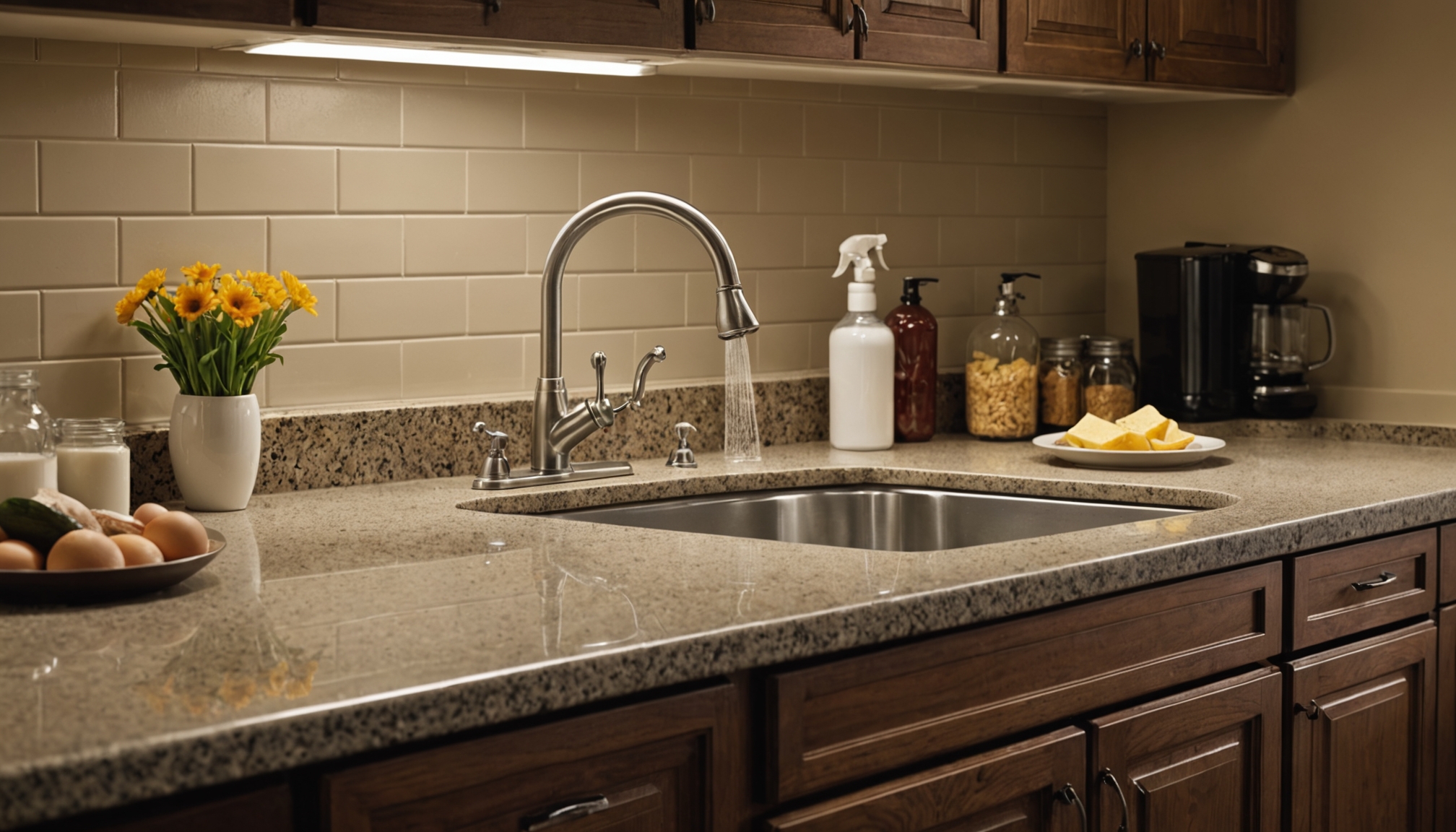
Even before you set traps, cut off roaches’ lifelines by removing food and moisture right away. Wipe spills immediately, store food in sealed containers or the fridge, and vacuum crumbs in cabinets and behind appliances. Clean stoves, toasters, and prep gear regularly. Declutter to reduce hiding spots.
Fix leaks fast and dry sinks, dishes, and countertops after use. Run exhaust fans, open windows when possible, and use dehumidifiers to lower humidity. Clean grease traps to prevent buildup. Flush floor drains and keep them free of standing water. Use sealed trash bins and empty them regularly to minimize food waste that attracts roaches.
Seal gaps around pipes, baseboards, and windows, and fill holes and cracks behind appliances. Verify appliances work properly so they don’t leak. Clean under appliances frequently. Inspect routinely, monitor humidity, educate staff, and partner with pest services if needed.
Targeted Baiting Strategies That Work Quickly

Start by placing gel baits in tight, high-traffic spots—cracks, cabinet hinges, and behind appliances—so roaches contact poison fast. Rotate bait active ingredients every few weeks to prevent resistance and keep hits coming. Pair every bait placement with strict sanitation—no crumbs, no leaks—so roaches choose bait over real food. For added safety in kitchens, consider using bait stations, which are tamper-resistant and limit exposure to children and pets.
Place Gel Baits Strategically
Dial in your gel bait placement to where roaches actually live and travel. Hit proven hotspots: behind and under the fridge, dishwasher, and oven; under sinks near plumbing penetrations; cracks around countertops, drawers, cupboards, doorframes, wall fixtures, and pantry edges. Look for droppings, egg casings, and body parts to confirm activity. Keep bait hidden and out of reach of kids and pets. Follow the product label instructions closely to ensure safe application.
Apply small pea-sized dots (about 1/2 inch) in cracks and crevices, not lines or blobs. Space dots every 10–12 inches along harborage routes. Use 1–3 dots per 10 linear feet for light to moderate infestations, 3–5 for heavy. Avoid porous or hot surfaces above 130°F. Favor warm, moist spots near sinks, coffee makers, and microwaves. Use refillable stations where needed, placed flush to walls. Monitor and refresh before drying.
Rotate Bait Active Ingredients
While you’re placing gel baits where roaches live, plan to rotate the bait’s active ingredients and food matrix on a set schedule to keep them effective. Roaches evolve fast—German roaches complete a generation in about three months—so switch products every 90–120 days. Rotate both the IRAC mode of action (e.g., clothianidin, fipronil, indoxacarb) and the food matrix to beat physiological and behavioral resistance. Use two different baits at once to disrupt learned aversion and speed knockdown. Track activity and adjust intervals as pressure drops. Because failing to rotate can lead to bait aversion and resistance, maintaining bait value helps avoid a return to burdensome night work.
| Fear | Relief |
|---|---|
| Ever-growing nests | Collapsing populations |
| Bitter bait refusal | Fresh matrix acceptance |
| Survivors rebounding | IGRs blocking maturity |
| Wasted effort | Smart rotation winning |
Choose rotation-ready systems (e.g., Maxforce Impact, Vendetta 360), and follow manufacturer guidance.
Pair Baits With Sanitation
Even the best roach bait falters if crumbs, grease, and water are everywhere, so pair targeted baiting with strict kitchen sanitation to speed results. Starve roaches of alternatives: wipe counters, sweep nightly, degrease cooktops, and dry sinks. Seal food, bag trash, and fix leaks. Then bait precisely.
Inspect with a flashlight, glue traps, and notes from sightings. Place gel dots in tight cracks, corners, and hinges: under sinks, behind the fridge and stove, inside cupboards, and under furniture. Keep baits in protected, narrow spaces to stay palatable and dry. Use bait stations in hidden spots to avoid pets and provide transfer back to nests. Don’t clean with harsh chemicals right beside bait. Rotate placements, refresh gel often, and add more small deposits for heavy infestations. For faster results, avoid spraying pesticides near bait so roaches aren’t repelled and will feed consistently.
Smart Use of Insecticides Without Overexposure
Although roaches are stubborn, you can control them safely by choosing food-handling safe products and applying them precisely. Select insecticides labeled for kitchens and food-prep areas, ideally those approved for restaurants. Read labels closely for directions around food-contact surfaces, and buy from reputable suppliers. Skip outdoor or broad-spectrum products that leave risky residues.
Apply when the kitchen’s inactive and all food is removed or covered. Target cracks and crevices, not open surfaces. Use precision tools—narrow-tip squeeze bottles or hand dusters—and keep layers thin and dry, especially with boric acid. Ventilate before normal use resumes.
- Choose low-toxicity options like boric acid or diatomaceous earth
- Keep kids and pets away per label
- Clean prep surfaces before cooking
- Wash hands after handling products
- Reapply only as directed
Physical Traps and Monitoring to Pinpoint Hotspots
Start by placing sticky or bait traps where roaches actually travel—behind appliances, under sinks, along baseboards, and near the trash. Check them daily, record counts, and replace clogged or stale traps. Use those numbers to map hotspots so you can concentrate cleaning, sealing, and targeted treatments where they hit hardest.
Strategic Trap Placement
When you place traps where roaches already travel and hide, you turn your kitchen into a map of their habits. Run sticky traps flush along walls, baseboards, and into corners to intercept nightly traffic. Slide them behind the fridge and stove, under the sink, and near plumbing where warmth and moisture draw activity. Scan for pepper-like droppings, egg cases, and grease smears; cluster traps and bait gels in those exact spots—inside cabinets, behind dishwashers, and at shelf and equipment bases. Keep traps unobstructed, discreet, and away from strong cleaners. Match density to pressure: four to six bait placements per 100 square feet, more for heavy infestations. Distribute across prep areas and pantries, and seal cracks to shrink harborage.
- Wall-and-baseboard lanes
- Warm, moist appliance gaps
- Evidence-marked hotspots
- Even, dense coverage
- Quiet, undisturbed corners
Daily Trap Checks
You’ve set traps where roaches travel; now check them daily to learn exactly where activity concentrates. The first 24 hours usually reveal the most hits, so inspect every trap each day and log what you find. Number traps, record locations, and date each check. Count live/dead roaches, note droppings (pepper-like specks), cast skins, egg cases, chew marks, or bait depletion. Daily data lets you adjust placement and intensity quickly. Keep checking daily until patterns stabilize; you can reduce frequency later if activity declines.
| What to Check | Why It Matters |
|---|---|
| Count of roaches per trap | Measures activity level |
| Droppings on/near trap | Confirms ongoing foraging |
| Cast skins/egg cases | Signals breeding nearby |
| Chew marks/disturbance | Indicates heavy interaction |
| Bait depletion speed | Suggests high traffic and re-baiting needs |
Map Infestation Hotspots
Although traps reveal activity, mapping hotspots means turning those clues into a floor plan of roach movement and harborage. Number every trap and sketch your kitchen layout. Place open-ended sticky traps and glue boards along floor–wall junctions, inside cabinet corners, behind/under the fridge, stove, and dishwasher, near sinks and drains, and in all room corners. Wrap glue boards around pipes to trace routes from wall voids to appliances. Use a flashlight and mirror to verify droppings, egg cases, shed skins, and smear marks.
- Track daily catches by trap ID; relocate low-yield traps toward higher activity.
- Note nymphs versus adults to flag breeding zones.
- Keep traps flush to edges for maximum encounters.
- Photograph evidence before and after treatments.
- Focus treatments where catch rates spike.
Seal and Exclude: Closing Entry Points and Hiding Spots
Even the cleanest kitchen can invite roaches if gaps, cracks, and hidden voids give them a way in. Inspect inside and out: around plumbing, electrical outlets, wall and foundation cracks, window and door frames, dryer vents, utility lines, and cable entries. Recheck regularly to catch new openings.
Seal small cracks (under 1/2 inch) with silicone or acrylic latex caulk. Clean and dry surfaces first, then apply a smooth bead and tool it for coverage. Weatherproof windows and doors, and revisit seals in moist zones.
Seal sub–½-inch cracks with silicone or acrylic caulk; clean, apply, tool, and recheck moist areas.
Fill larger voids with expanding foam around pipes, behind cabinets, and structural gaps. Let it cure, trim excess, and keep ventilation and drainage working.
Harden door and window defenses: tight screens, intact weather stripping, and door sweeps. Reduce harborage: declutter, fix leaks, mop standing water, and ventilate.
Rapid IPM Plan and When to Call a Professional
Before reaching for a spray can, build a rapid integrated pest management (IPM) plan that combines monitoring, sanitation, targeted treatments, and moisture control. Place sticky traps under appliances and along walls, check them daily or weekly, and note counts and sizes to gauge severity. Identify species—German roaches dominate kitchens—and map harborage in cracks, behind fridges, sinks, and near leaks. Skip foggers and broad sprays early; keep detection localized.
Clean hard: remove crumbs, degrease, empty trash, seal food, fix drips, and scrub drains with enzyme cleaners. Deploy gel baits in crevices, add IGRs, and apply limited residuals under appliances. Rotate active ingredients and vacuum visible roaches.
- Persistent activity after weeks of IPM
- Numerous nymphs or bait resistance
- Asthma/allergen concerns
- Multiunit cross-infestation
- Commercial kitchen compliance needs
Frequently Asked Questions
Can Roaches Contaminate Food and Spread Diseases in Kitchens?
Yes. Roaches contaminate food and spread diseases in kitchens. They pick up pathogens in drains and garbage, then transfer them to food, utensils, and surfaces via legs, bodies, and feces. You risk E. coli, Salmonella, norovirus, sapovirus, and parasites like Ascaris. Their droppings and body parts also boost harmful endotoxins, triggering allergies and asthma. High-risk foods include raw meat, eggs, produce, and ready-to-eat items. Discard suspect food and sanitize thoroughly.
Are Certain Roach Species More Common in Kitchens?
Yes. You’ll most often encounter German cockroaches in kitchens; they thrive indoors and reproduce fast. American cockroaches also invade, especially in older or poorly sealed buildings, and can fly short distances. Brown-banded cockroaches show up less often, favoring warmer, drier, higher spots like cabinets. Oriental cockroaches prefer damp areas and migrate in from drains. Wood roaches rarely persist indoors. You’ll spot them at night, hiding in cracks and behind appliances by day.
How Long Does a Typical Kitchen Roach Treatment Take to Work?
You’ll see some results within 24 hours from contact sprays, but baits and traps usually need 1–2 weeks to show clear declines. Expect a brief spike in activity the first two weeks. Thermal treatments act almost immediately, with confirmation after about a week. Full control typically takes up to six weeks, depending on infestation size, species, and sanitation. Schedule follow-ups 1–2 weeks after the initial service, and maintain daily cleaning to speed results.
Will Roaches Return After Neighboring Units Are Treated?
Yes, they can return. Roaches migrate through shared plumbing, cracks, and conduits, so neighboring treatments can push them into your unit. If sanitation’s poor or there’s moisture or disrepair, reinfestation’s more likely. Untreated units, common areas, and high tenant turnover also act as reservoirs. Protect yourself: seal gaps, fix leaks, clean diligently, vacuum crumbs, deploy fresh gel baits and traps, and ask management for building‑wide IPM and ongoing monitoring. Continuous cooperation limits rebounds.
What Kitchen Renovations Help Prevent Future Infestations?
Upgrade to moisture-resistant cabinets, sealed countertops, and tile or sealed-concrete flooring. Install tight-fitting doors, weather stripping, and window screens; caulk gaps around pipes, wires, and gas lines. Add an exterior-vented exhaust fan, fix leaks, and improve HVAC ducting to reduce humidity. Use pull-out organizers, open shelving, and smooth sinks for easy cleaning. Store food in airtight containers, ditch cardboard for plastic bins, and integrate concealed gel-bait stations. Schedule a pre-renovation pest inspection.
Conclusion
You can knock roaches down fast by cutting off food and water, deploying gel baits where they travel, and using targeted insecticides sparingly. Add sticky traps to locate hotspots, then seal cracks, gaps, and clutter so they can’t rebound. Keep wiping, vacuuming, and taking out trash daily to starve stragglers. Track progress weekly, refresh baits, and tighten seals. If activity persists after two weeks—or you see German roach clusters—call a licensed pro for a rapid, thorough treatment.


