

DIY cockroach control costs about $150–$350 in year one, but sprays and foggers often underperform, especially in cluttered or moist areas. Pros charge ~$200 per visit or $300–$800 yearly, yet deliver faster, targeted results with inspections, calibrated baits, and follow-ups that prevent rebound. For light infestations, careful baiting, dusting, sanitation, and monitoring can work; avoid pyrethroid sprays and foggers. If you’ve got frequent sightings, health concerns, or failed DIY, go pro. There’s more that can tip your decision.
Key Takeaways
- DIY costs $150–$350 first year; pro assessments $50–$150, single visits ~$200, quarterly plans $300–$800 annually.
- DIY methods often underperform in real homes; professionals achieve faster, more durable reductions via tailored inspections and calibrated baits.
- Severe infestations can cost $1,000–$7,500 for fumigation; pros may prevent rebound and costly repeat treatments.
- Health risks from cockroach allergens are significant; pros prioritize safe handling, PPE, and regulated, eco-conscious products.
- DIY suits light, localized issues with strict sanitation and monitoring; frequent sightings or failed DIY attempts call for professionals.
Cost Breakdown: Upfront Vs Long-Term Spending

Although DIY cockroach control looks cheaper at the start, the real cost picture depends on how severe the infestation is and how long you need treatment. You’ll skip inspection fees and likely spend $150–$350 in year one on sprays, baits, traps, yard granules, and seasonal foggers. Those products are easy to buy and inexpensive upfront.
Professional routes start with a $50–$150 assessment, then $100–$700 per session (about $200 on average), with quarterly plans running $300–$800 annually or bundled maintenance at $300–$550. Severe cases can jump to $1,000–$7,500 for fumigation, and complex infestations may need $500–$2,500 specialized work. Professionals prioritize safe application and tailored plans, reducing risks associated with misuse of chemicals.
Long term, DIY costs stack if treatments miss the mark. Pros use stronger products, tailor plans, and include monitoring or warranties that can reduce repeat spending.
Real-World Effectiveness of DIY Methods
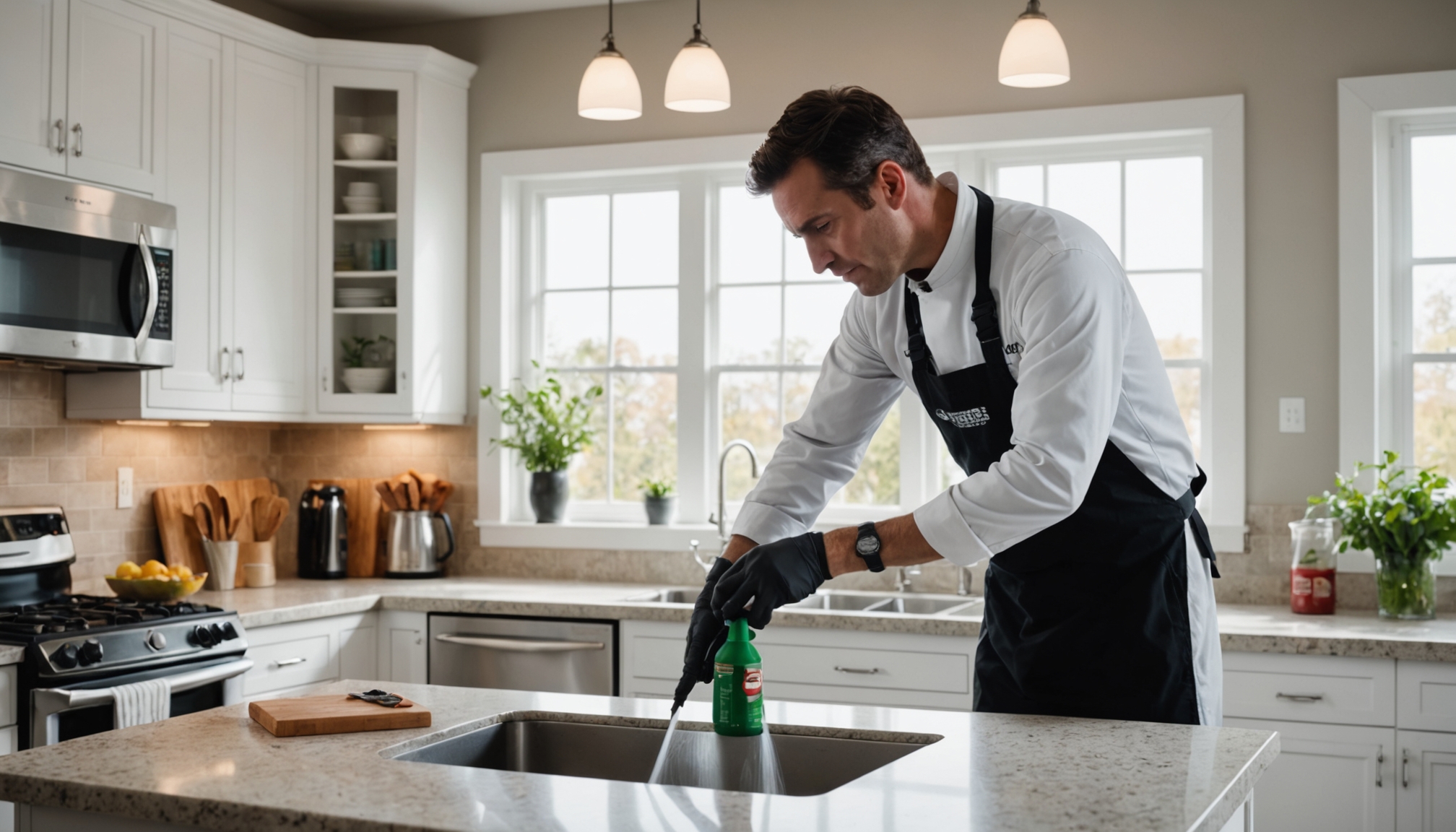
You might see DIY sprays and baits work in lab tests, but they often underperform in real homes with clutter, moisture, and food sources. Without proper inspection and placement, you miss root causes like hidden harborage and entry points, so roaches rebound. If you stick to surface fixes, you’ll spend more time and product without solving the infestation. In many studies, pyrethroid sprays kill fewer than 20% of German cockroaches within 30 minutes, highlighting why DIY products often disappoint in real-world conditions.
Lab Success Vs Homes
Despite promising lab numbers, DIY cockroach products stumble in real homes. Pyrethroid sprays kill under 20% of German cockroaches within 30 minutes in labs, and over 80% still survive when confined to treated surfaces—often dying 8–24 hours later, sometimes five days. In homes, hidden roaches and resistant field strains push effectiveness even lower, so survivors repopulate fast. Site owners often deploy tools like Wordfence to manage access restrictions, temporarily limiting access while monitoring for security issues.
Consumer baits test well in labs—over 80% mortality in 14 days—but field trials show weaker, slower results than professional products. Only Hot Shot containerized stations show modest real-home efficacy. The gap stems from exposure: labs control placement and coverage; you don’t. Missed cracks, poor dusting without applicators, and foggers coating open surfaces leave harborages untouched. Essential-oil sprays lose residual power quickly, and diatomaceous earth rarely reaches lethal doses.
Missed Root Causes
Lab wins don’t carry over because DIY efforts miss why infestations persist. You spray what you see, but roaches survive where you don’t look—wall voids, appliance motors, and tight crevices. Consumer pyrethroid sprays kill under 20% of German cockroaches fast, and residues can take days, giving resistant populations time to rebound. Foggers and aerosols don’t reach harborages. Oils fade quickly. Meanwhile, food crumbs, grease films, and dripping pipes keep colonies fed and watered.
- You target runners; colonies live in hidden refuges you’re not treating.
- Sprays on exposed surfaces miss cracks where roaches rest and breed.
- Delayed-kill residues let resistant roaches recover and reproduce.
- DIY baits underperform in homes without strategic placement and rotation.
- Skipped sanitation and moisture control guarantee reinfestation.
What Professionals Do Differently
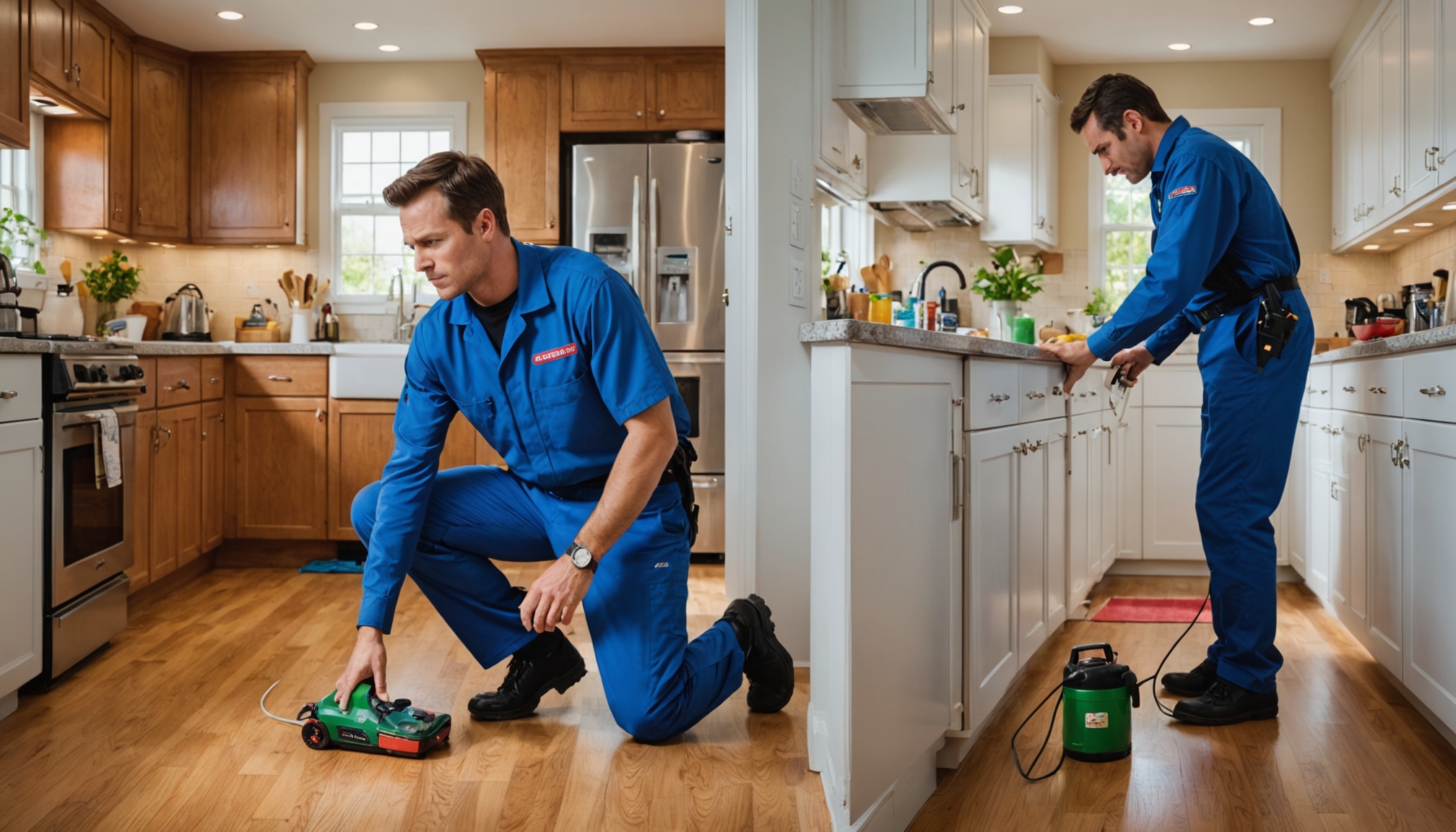
While DIY sprays can knock down a few roaches, professionals approach infestations with trained precision and purpose-built tools. They start with structural inspections to map hidden harborage and entry points, then identify the exact species so treatments hit the right targets. Instead of one-size-fits-all sprays, you get customized plans using integrated pest management: calibrated baits, precision applications, and sealing of cracks to cut off reinfestation pathways. Professionals use eco-friendly, regulated products that prioritize health and safety, reducing risks to family and pets. Pros also deploy industrial-grade gear and regulated products correctly, so treatments work harder where roaches live and travel. Follow-up visits verify progress and adjust tactics, delivering long-term control with less waste. You’ll gain preventive guidance, eco-friendly or low-tox options when appropriate, and a service plan built for your space. Many providers back results with warranties, improving overall value.
Health and Safety Implications
You’re not just battling pests—you’re managing allergen and disease risks from roach droppings and contaminants that can aggravate asthma and cause foodborne illness. You need safe pesticide handling to avoid toxic exposure, especially in kitchens and around children and pets. Prioritize exposure minimization strategies—targeted baits, precise dosing, and proper ventilation—so you control roaches without harming your household. Professional pest control offers reliable and cost-effective solutions that reduce health risks and prevent recurring infestations.
Allergen and Disease Risks
Even without seeing a single roach, exposure to cockroach allergens in dust and fabrics can trigger real health problems—especially for kids and people with asthma. Cockroach particles from feces, saliva, and body parts settle in kitchens, bathrooms, and bedding, then resuspend with cleaning or movement. National surveys show Bla g 1 exceeds sensitization thresholds in about 1 in 8 homes, with kitchen hotspots; levels linked to asthma morbidity appear in up to 10% of kitchens. Inner-city and low-income households face the highest exposure, and children bear the brunt with more ER visits and hospitalizations.
- Cockroach allergy affects an estimated 17–41% of Americans.
- Up to 80% of inner‑city asthmatic children are sensitized.
- Bedrooms drive exposure due to prolonged contact.
- Allergen persists after infestations are cleared.
- Risk rises with building age, density, and moisture.
Safe Pesticide Handling
How do you keep cockroach treatments effective without risking your health? Start before you buy: read the label to confirm the product is registered for roaches and your site, check signal words, and choose the least hazardous option with a clear label that meets all regulations. If anything’s unclear, get authoritative advice.
Wear PPE exactly as the label specifies: liquid-proof gloves, long sleeves, long pants, closed-toe shoes, and a wide-brimmed hat; avoid soft contacts. Use respirators or eye protection if required. Inspect, wash, and store PPE separately; replace damaged items.
Mix only what you need in a ventilated area away from food, kids, and pets. Calibrate equipment, triple-rinse containers, and never eat, drink, or smoke while handling pesticides.
Know first aid, keep Poison Control handy, decontaminate promptly, and dispose per label and local rules.
Exposure Minimization Strategies
While eliminating roaches matters, minimizing what you and your family breathe, touch, and track through the home matters more. Professionals reduce exposure by using IPM: sealing entry points, removing sources, and placing enclosed baits only in harborages. They verify success with sticky-trap monitoring to avoid unnecessary chemicals, then clean with HEPA vacuums and steam to push allergens like Bla g 1 below 2 U/g and Bla g 2 below 0.08 μg/g. They also flag code violations that drive structural fixes, cutting long-term risk. DIY can match the mindset—prioritize sanitation, exclusion, and nonchemical tools—while avoiding broadcast sprays.
- Use sticky traps to map hotspots before treating.
- Prefer enclosed baits over sprays.
- HEPA vacuum carpets and crevices.
- Steam-clean kitchens and baths.
- Seal cracks, leaks, and clutter.
When to Choose Professional Treatment
If roaches are more than an occasional sight—or health risks, time constraints, or failed DIY attempts are in play—it’s time to call a professional. Pros quickly assess severity, find hidden harborages, and treat hard-to-reach areas using specialized equipment. They deploy targeted options—gel baits, residual sprays, and dusts—matched to species and environment, delivering long-term results.
Choose pros when health is a concern. Roaches spread E. coli and salmonella, and their allergens trigger asthma. Technicians sanitize thoroughly, use low- or non-toxic methods when appropriate, and implement preventive steps to keep your home safe.
Professional service also saves time and money over repeated trial-and-error. You’ll get a tailored plan, sealing of entry points, elimination of food sources, IPM-based strategies, and ongoing monitoring—plus the peace of mind that the infestation won’t rebound.
When DIY Can Be Enough
Although pros bring speed and tools you can’t buy, DIY can be enough when the infestation is light, localized, and you’re consistent. If you’re only seeing occasional roaches over weeks, mostly around one hotspot (like a warm appliance), and there’s no activity elsewhere, you can likely manage it yourself. Focus on targeted baiting, careful dusting in voids, strict sanitation, and ongoing monitoring. Skip foggers and routine pyrethroid sprays—they rarely hit hiding spots and resistance is common. Budget for follow-up since consumer products often need repeated applications.
- Use gel baits near harborages; rotate actives to slow resistance.
- Apply boric acid or silica dust lightly in crevices and voids.
- Remove food/water sources; seal gaps and entry points.
- Deploy sticky traps to track progress and reinfestation.
- Avoid over-relying on sprays; they underperform and risk exposure.
Frequently Asked Questions
How Long Do Professional Treatments Keep Roaches Away Before Retreatment Is Needed?
You can expect professional treatments to protect for 30–90 days, sometimes up to 3–6 months, before retreatment’s needed. Severe infestations typically need follow-ups every two weeks, then monthly; preventive visits run every 2–3 months. Results appear in days to weeks, though full decline can take weeks to months. High humidity, heavy traffic, German roaches, and structural gaps shorten residual life. Keep sanitizing, sealing, and monitoring to stretch intervals and prevent rebounds.
Are Warranties or Guarantees Common With Pest Control Services?
Yes, you’ll commonly see warranties or guarantees with pest control services. You typically get free re-treatment if pests return within 3–12 months, plus scheduled follow-ups. Read the contract: warranties usually exclude pre-existing damage, poor upkeep, or new, unrelated infestations. Termite plans may add repair coverage, sometimes tens of thousands. Coverage length varies by region and pest pressure. Choose licensed, insured providers using IPM; some warranties are transferable when you sell your home.
What Preparations Should Homeowners Do Before a Professional Visit?
You should deep-clean and declutter kitchens, bathrooms, and utility rooms, vacuum floors and cupboards, and immediately dispose of vacuum contents. Empty and wipe cabinets, drawers, and appliances, and store all food in sealed containers. Remove dishes and utensils, cover items placed on tables or sofas, and run washable items through the dishwasher. Fix leaks, seal cracks, and clear access around appliances. Remove pet dishes, cover fish tanks, turn off smoke alarms, and plan to vacate 2–4 hours.
Can Landlords Require Professional Treatment in Rental Properties?
Yes, landlords can require professional treatment, and in many places they must. You should check your lease and local laws: some jurisdictions mandate licensed exterminators for infestations, especially in multi‑unit buildings. HUD‑assisted properties must be pest‑free. Ohio, for example, bars landlords from self‑treating buildings with more than four units. You’re typically not charged unless the landlord proves you caused the infestation. Document issues, report promptly, and expect proper notice before inspections or treatments.
How Do Treatments Affect Pets, Aquariums, or Houseplants Specifically?
They can harm pets, aquariums, and houseplants if you’re not careful. DIY sprays increase accidental exposure, trigger allergies, and cause phytotoxicity on foliage and soil. Aerosols can volatilize into tanks, poisoning fish. Boric acid’s safer, but you must place it where pets and plants can’t contact it. Professionals use targeted gels/baits, inspect first, and guide you to relocate pets, cover or move tanks and plants, ventilate, and re-enter safely.
Conclusion
In the end, you’ll weigh time, cost, and certainty. DIY can cut upfront expenses and handle light infestations if you’re consistent and careful with safety. But when roaches keep returning, professionals deliver targeted products, precise application, and follow-up that saves money long term. Think about your tolerance for trial-and-error, the health risks at home, and how fast you need results. If stakes are high, call a pro. If not, start DIY—and upgrade if results stall.


