

Keep kids and pets safe by supervising closely—especially under four—and using gates, crates, and pet-free zones. Secure furniture, stairs, outlets, and cords; lock up chemicals; and separate play and pet areas. Wash hands after pet contact, clean bowls daily, and keep pets groomed and vet-checked. Teach kids calm approaches, body-language basics, and emergency steps. Prepare a family emergency kit and plan. Since most bites happen at home during routine moments, a few extra habits make a big difference—here’s how.
Key Takeaways
- Supervise all kid–pet interactions; use gates, crates, and pet-free zones to prevent stress, guarding, bites, or escapes.
- Anchor furniture, install stair gates, and secure cords/outlets; keep chemicals and pet supplies locked away from children.
- Practice hygiene: handwashing after pet contact, daily bowl cleaning, sealed pet food storage, and regular vet checks with parasite prevention.
- Teach children to approach slowly, read pet body language, respect resting/feeding times, and never take toys or food from pets.
- Prepare for emergencies: stocked kid-and-pet kit, posted contacts, practiced fire drills, and a family plan with designated roles and meeting spots.
Supervision and Physical Separation
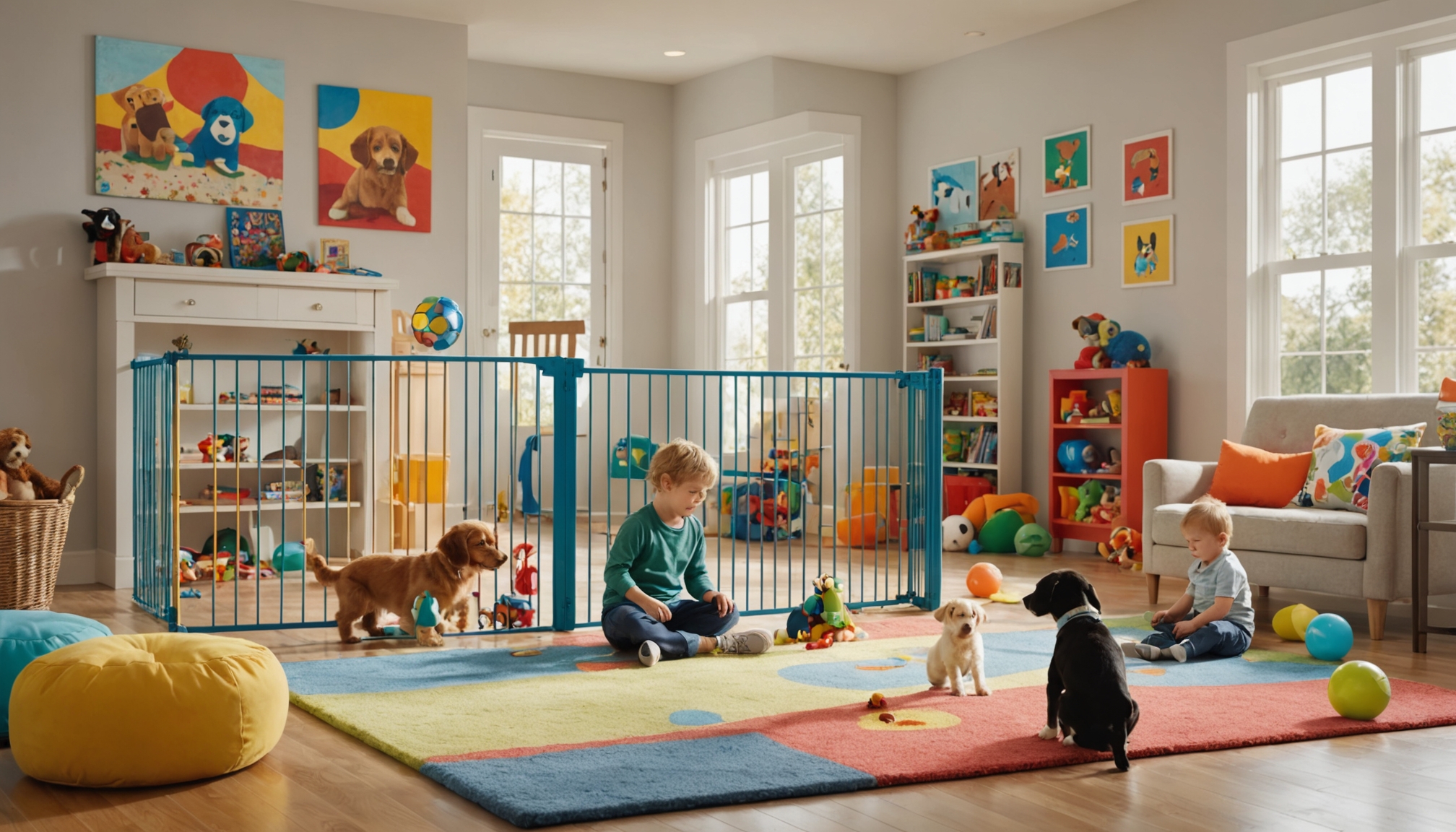
Even in the calmest homes, safety starts with watchful eyes and clear boundaries. You should give children under four constant supervision around pets; they can’t read animal cues or control impulses. Stay close to monitor your pet’s body language, intervene early, and redirect if you see stress, startle, or guarding. Use gates, crates, and designated pet‑free zones when you can’t supervise or when anyone needs a break. Controlled separation during introductions lowers anxiety and prevents rough play, bites, scratches, or escapes. Children in dog-owning households have been found to show better social‑emotional development than those without pets.
Assign age‑appropriate care tasks, but keep your hands on the process. Supervise feeding, grooming, and walking to model gentle handling, reinforce routines, and prevent injury. Keep observing dynamics as kids and pets mature, consult your vet when needed, and adjust supervision and separation accordingly.
Home Environment Modifications
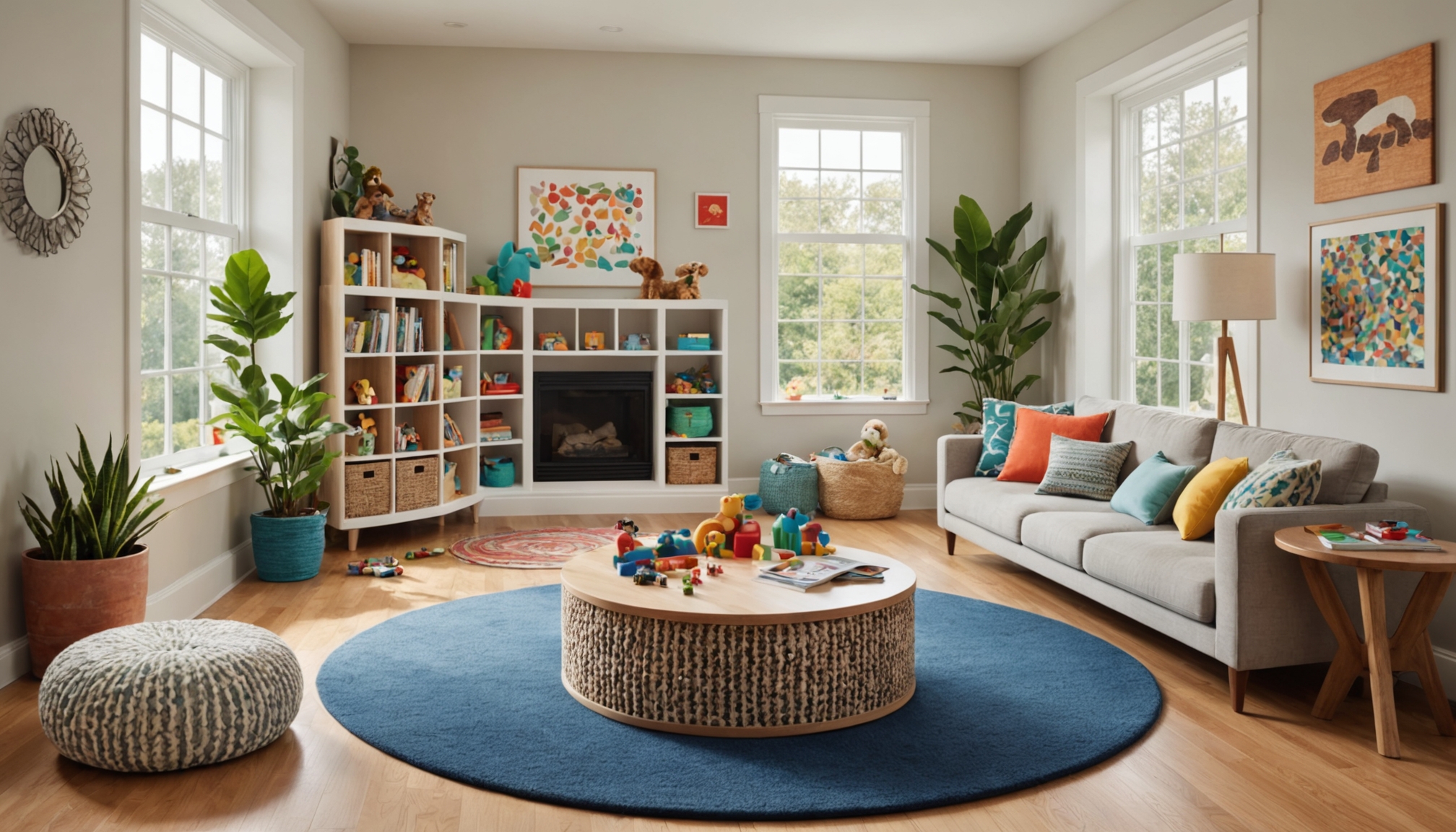
While supervision sets the tone, your home’s layout and routines do the daily heavy lifting for safety. Anchor heavy furniture and appliances to studs, install safety gates at stairs and doorways, and cover outlets with tamper-resistant plates. Swap to cordless window coverings or secure cords high and tight. Add non-slip mats in kitchens and bathrooms, and lock away medicines, cleaners, and chemicals in high cabinets. Separate pet zones from kids’ play areas and use barriers to control access. Children are at increased risk of animal bites, so design spaces that reduce pet-child conflicts by teaching kids to avoid strange animals and by recognizing pet warning signs.
- Install smoke and carbon monoxide detectors; test batteries on a schedule and log dates.
- Use secure screens and window locks; fence and cover pools and water features.
- Store pet food in sealed containers; label all storage areas with clear warnings.
- Organize toys and pet supplies in labeled bins to cut clutter and trips.
Health and Hygiene Practices
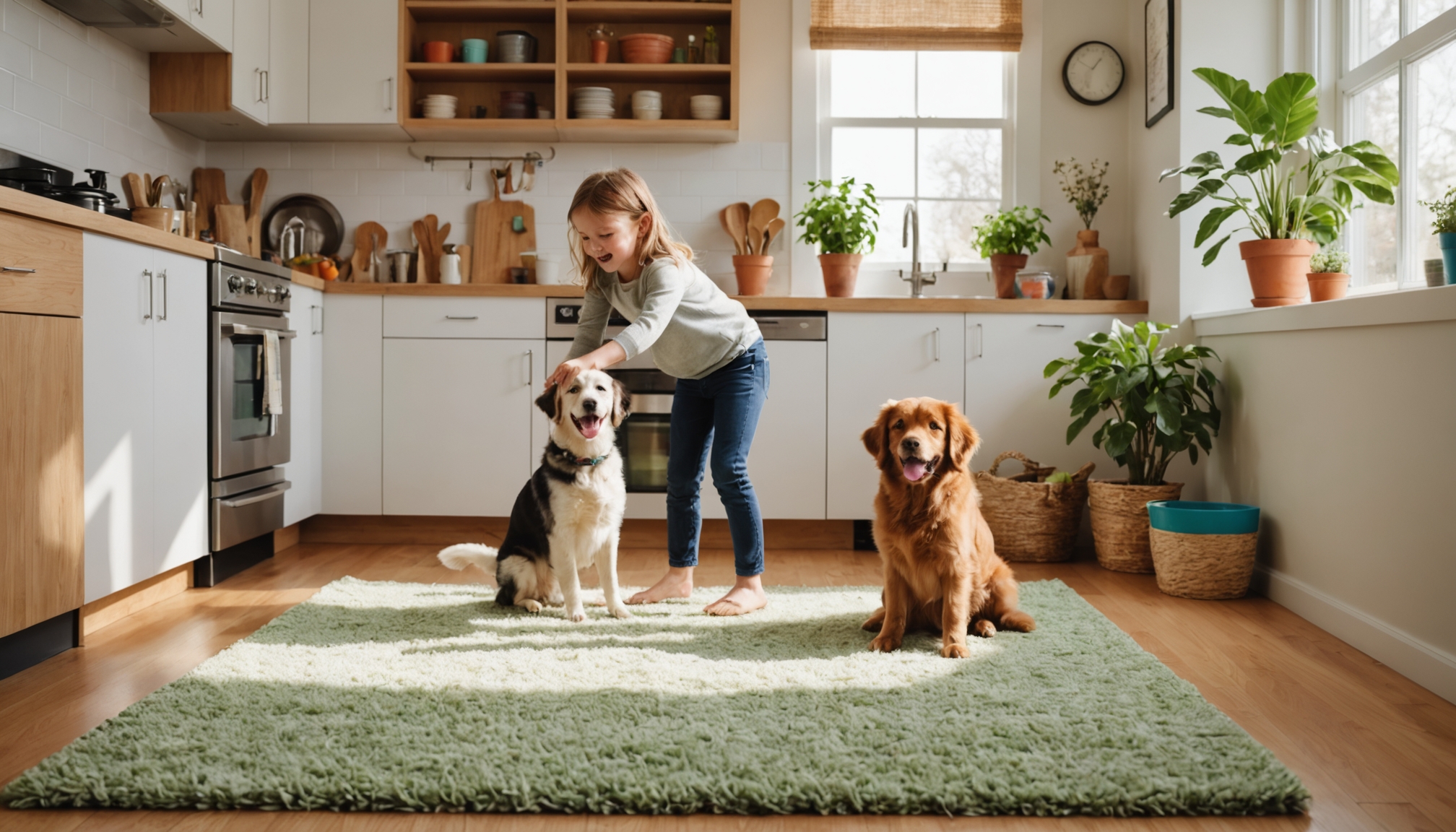
Two simple habits—clean hands and clean spaces—do most of the work to keep kids and pets healthy. Wash hands with soap after petting, feeding, cleaning litter, or yard pickup. Clean pet bowls daily and disinfect litter boxes and cages; promptly bag and dispose of waste. Scoop yards and sandboxes to cut roundworm risk. Keep pets on parasite prevention and vaccination schedules, and book regular veterinary checks.
Store pet food sealed, off counters, and use separate scoops; avoid raw diets that raise Salmonella and E. coli risks. Refrigerate wet food promptly and sanitize prep areas to prevent cross-contamination. Groom pets regularly and inspect skin, ears, and stool for problems. Maintain clean bedding and crate surfaces. These routines reduce pathogenic exposure while preserving pets’ emotional and microbial benefits. Early-life exposure to pets can help regulate immunity and is linked to a lower risk of childhood allergic diseases.
Safety Education and Training
Teach your kids to read pet body language—watch for relaxed tails and soft eyes vs. stiff posture, pinned ears, or growling—so they know when to engage or give space. Set simple handling rules: approach slowly, no hugging or ear-pulling, let pets choose contact, and never disturb them while eating or sleeping. Practice these steps with quick role-plays and checklists to build confidence and prevent bites or scratches. With more families exploring home instruction and virtual learning options, integrate pet-safety lessons into daily routines to reinforce consistent, supervised interactions.
Reading Pet Body Language
Even before a bark or growl, a dog’s body tells you exactly how it feels—and reading those signals keeps kids, pets, and you safe. Look for relaxed cues: upright ears, soft eyes, a loose, wiggly body, and a tail wagging at spine level or in big circles. Gentle play bows and light panting often signal comfort. Stress shows up early as yawning, lip licking, turning away, or slow, exaggerated movements. When posture stiffens, ears pin back, the tail tucks, or movement freezes, give space immediately. Remember that a frozen posture can be a warning sign of fear or guarding behavior and should never be ignored.
- Soft eyes, relaxed mouth, leaning or rolling over = calm, social dog.
- Lip licking, yawning, head turns = “I’m uneasy.”
- Stiff body, high tail, hard stare, hackles = high arousal.
- Growling, bared teeth, freezing = last warnings; back off now.
Rules for Safe Handling
While calm routines make a home feel safe, clear rules and practice are what keep kids and pets protected when things go wrong. Build and rehearse an emergency plan for fires, tornadoes, and intruders. Run fire drills with two exits per room and a set outdoor meeting spot. Teach kids to recognize sirens and phone alerts, stay quiet and hidden during intruders, and lock doors. Assign adults to help children under six.
Train key skills: where extinguishers are, how detectors work, and when to call 911 and you. Review kitchen safety—burners off, pot handles in. Lock up chemicals, meds (including pet meds), plastic bags, and sharps.
Harden the environment: gates, outlet covers, cabinet latches, safe cribs, 125ºF water, nonskid tubs, grounded breakers, clear walkways, secured ladders and tools. Use face-to-face lessons, drills, and neighbor awareness.
Emergency Preparedness
Because emergencies can strike without warning, build a simple, family-ready plan that everyone understands and can practice. Sketch a floor plan with two exits per room, identify safe spots for fires, storms, and earthquakes, and assign roles so every person knows what to do for kids and pets. Choose meeting places inside your neighborhood and another outside it. Stock an emergency kit with three days of water, food, first aid, a whistle, and a battery-powered or NOAA radio.
- Add infant formula, diapers, pet food, extra water, comfort games or books, a multipurpose tool, duct tape, and crucial contact info.
- Post emergency numbers and teach kids to call 911.
- Pick an out-of-state contact; keep local maps.
- Store cash and waterproof copies of IDs, insurance, medical and vaccination records; back up files to the cloud.
Injury and Risk Statistics
You’ll see that most pediatric bites come from familiar dogs at home, often during routine play or around food and territory. Leading hazards include restricted indoor spaces, poor supervision, and rough or loud interactions that raise fear responses. Households with children under 10, limited yard space, or lower income face higher risk, so you should target prevention where those factors apply.
Common Bite Sources
Even with a well-loved family dog, bites are a leading pediatric injury, and children bear most of the burden. You’ll most often see bites come from dogs you already know. About 90% of animal-related bites are from dogs, and roughly 70% involve animals familiar to the child; a third come from a dog in the same home. Boys 5–9 face the highest rates. Half of victims are under 12, and kids are more likely to be bitten on the head and neck, increasing severity and hospital need.
- Bites frequently occur during play or feeding, and when a dog is resting or anxious.
- Unsupervised interactions and resource misuse (treats, toys) raise risk.
- Provoked bites often follow handling or feeding attempts.
- Unprovoked bites can signal disease, including rabies.
Leading Home Hazards
Sirens aren’t what save kids at home—prevention is. You face real risks where your family lives, plays, and sleeps. Over 2,200 children die from home injuries each year, while millions more are hurt. Falls send nearly 2 million kids to the ER annually. Drowning is the top home injury death for ages 1–4, often in bathtubs and pools. Suffocation kills over 1,200 children under 12, with infants at greatest risk in unsafe sleep setups.
Fire and burns remain major threats, as do poisonings—especially for adults, but still dangerous for kids. Hazards hide in familiar places: cribs with blankets and bumpers, unsecured furniture and appliances, electrical cords and outlets, and accessible chemicals. Even family dogs contribute: over 56,000 pediatric bites in five years, mostly to the head and neck.
Households at Higher Risk
Although every family faces hazards at home, some households carry a heavier burden of risk—and the data show where it concentrates. If you’ve got young children, especially ages 1–5, you face the highest dog-bite risk. Most bites happen at home from familiar dogs, and about 62% hit the head or neck. Risk rises in low-income households (about 2.24x) and in homes without yard space (nearly 3x), where close quarters amplify interactions. Meanwhile, over 2,200 children die annually from home injuries—suffocation, drowning, fires, and falls dominate. Summer magnifies dog-bite rates, peaking in July, and lockdown periods boosted emergency visits.
- Children under 10 face the steepest bite risk and PTSD.
- Multiple dogs and kids raise frequency and severity.
- Dog breed influences severity patterns.
- Small water sources still pose drowning dangers.
Frequently Asked Questions
How Do I Choose a Pet Breed Suited for Young Children?
Choose a gentle, patient breed with moderate energy. You’ll do well with Labradors, Golden Retrievers, Poodles, or Bichon Frise—trainable and friendly. If space’s tight, consider Beagles or Basset Hounds. Prioritize even temperaments, strong socialization histories, and breeder or rescue transparency. Meet the dog first, watch interactions, and ask about bite history. Match the dog’s exercise needs to your routine. Plan early training, consistent supervision, and gradual introductions to set everyone up for success.
What Routines Help Pets Adjust to a New Baby?
Start by shifting your pet’s feeding, walks, and playtimes gradually to your expected baby schedule. Introduce nursery sounds and baby scents early. Keep daily training short and consistent, rewarding calm behavior. Maintain one-on-one attention so your pet doesn’t associate the baby with loss. Create a safe retreat and use gates to manage space. Supervise all interactions, watch for stress signals, and consult your vet or trainer to adjust the plan as needed.
How Can I Reduce Pet-Related Noise During Nap Times?
Use white noise or a fan to mask sounds, then close doors with seals and sweeps to block gaps. Add acoustic panels near noisy areas, and lay rugs or orthopedic foam in pet zones to absorb impact noise. Give your pet a pre-nap walk, puzzle feeder, and chew to tire and occupy them. Keep a consistent feeding and potty schedule. If needed, use earplugs yourself and consider training to reduce barking.
What Insurance or Liability Coverage Should Pet-Owning Families Consider?
You should carry homeowners or renters liability with at least $300k–$500k limits that cover pet incidents on and off premises. Disclose every pet and check for breed exclusions. If limits feel light, add a $1M+ umbrella that explicitly covers pet claims. If your breed’s excluded, get specialty animal liability or a standalone canine policy. Consider pet insurance for health care; it won’t cover liability. Verify legal defense and third-party medical/property damage.
How Do I Manage Shared Outdoor Spaces With Neighbors’ Pets?
You manage shared outdoor spaces by setting clear rules, signage, and waste stations, then enforcing them. Designate dog-friendly and dog-free zones, buffer kid areas, and place spaces away from playgrounds, traffic, and water. Use dog-use data to size and site zones. Require vaccinations, leashes as needed, and responsive behavior; remove disruptive dogs. Monitor discreetly, address privacy, and offer a channel for complaints. Educate owners, schedule peak times, and penalize repeat offenders.
Conclusion
You’ve got this. When you supervise closely, create safe zones, and childproof pet-friendly spaces, you cut risks fast. Keep surfaces clean, wash hands, and stay on top of vaccines and parasite prevention. Teach kids gentle handling and pets basic cues, and refresh training often. Post emergency numbers, stock a first-aid kit, and practice your plan. Let local injury stats guide your priorities. With steady habits and clear boundaries, you’ll build a safer, happier home for everyone.


