

Roaches come back because cleaning leaves hidden food, water, warmth, and entry gaps intact. Crumbs behind appliances, leaks, and cozy crevices fuel quick rebounds. They crowd where pheromones and shelter build up and spread through cracks, pipes, and deliveries, so one tidy room won’t stop them. Fix leaks, seal gaps, and store food tight. Use gel baits in cracks, add sticky traps, and monitor weekly. Coordinate treatments in multi-unit buildings. Do this right, and you’ll finally break the cycle—and what’s next shows how.
Key Takeaways
- Cleaning misses hidden food, moisture, and warmth in cracks and behind appliances, so roaches quickly recolonize these undisturbed resources.
- Roaches disperse from neighboring units and shared plumbing; a single treated area gets reinfested without building-wide measures and sealed entry points.
- Leaks, damp basements, and pet water bowls sustain roaches; fix moisture sources since they survive weeks without food but only days without water.
- Replace sprays with targeted gel baits in crevices and use sticky traps to locate hotspots; rotate baits to limit resistance.
- Implement IPM: routine sanitation, sealing gaps, mapped trap monitoring, and coordinated treatments across units to prevent rebounds.
Hidden Food, Water, and Warmth Keep Them Coming Back
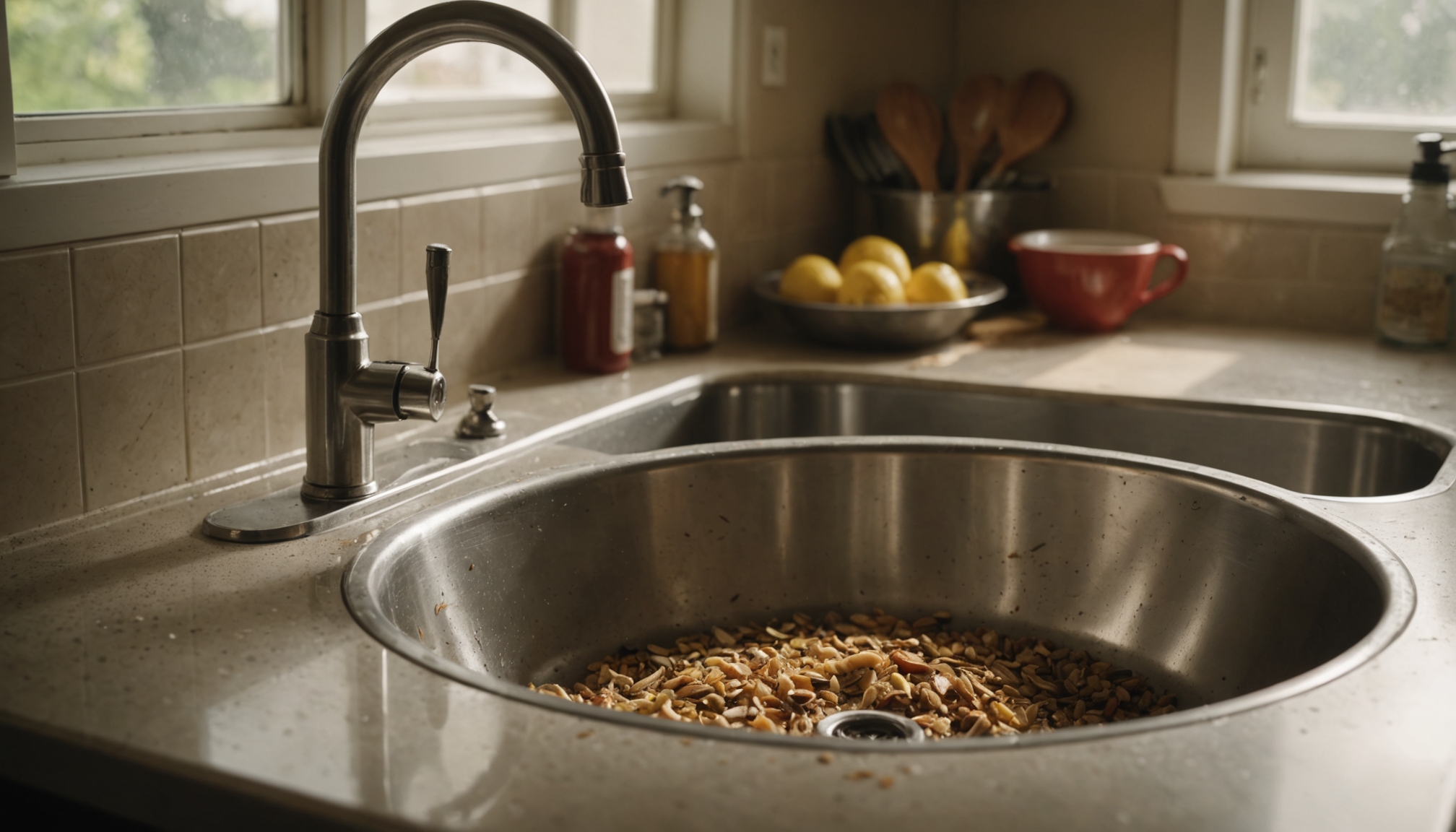
Three simple realities—hidden food, accessible water, and steady warmth—pull roaches back after you clean. You may clear counters, but crumbs behind appliances, grease films, pet food, and dry goods in flimsy packaging still feed them. They’ll eat paper, cardboard, book bindings, wallpaper glue, soap, hair, dead skin, and even insects—so “no food out” isn’t enough.
Water matters more than meals. Roaches survive months with water but only about a week without it. Leaky pipes, damp basements, condensation in fridges, humidifiers, bathroom drains, and pet bowls keep them hydrated and breeding. This is especially true for German cockroaches, which thrive in warm, humid kitchens and bathrooms where hidden moisture and food residues persist.
Warmth seals the deal. Indoor temperatures of 70–90°F and heat from ovens, electrical panels, and vents create year-round nesting pockets. When moisture and hidden calories meet heat, roaches persist despite surface-level cleaning.
Crowding, Dispersal, and the Myth of a Single Source
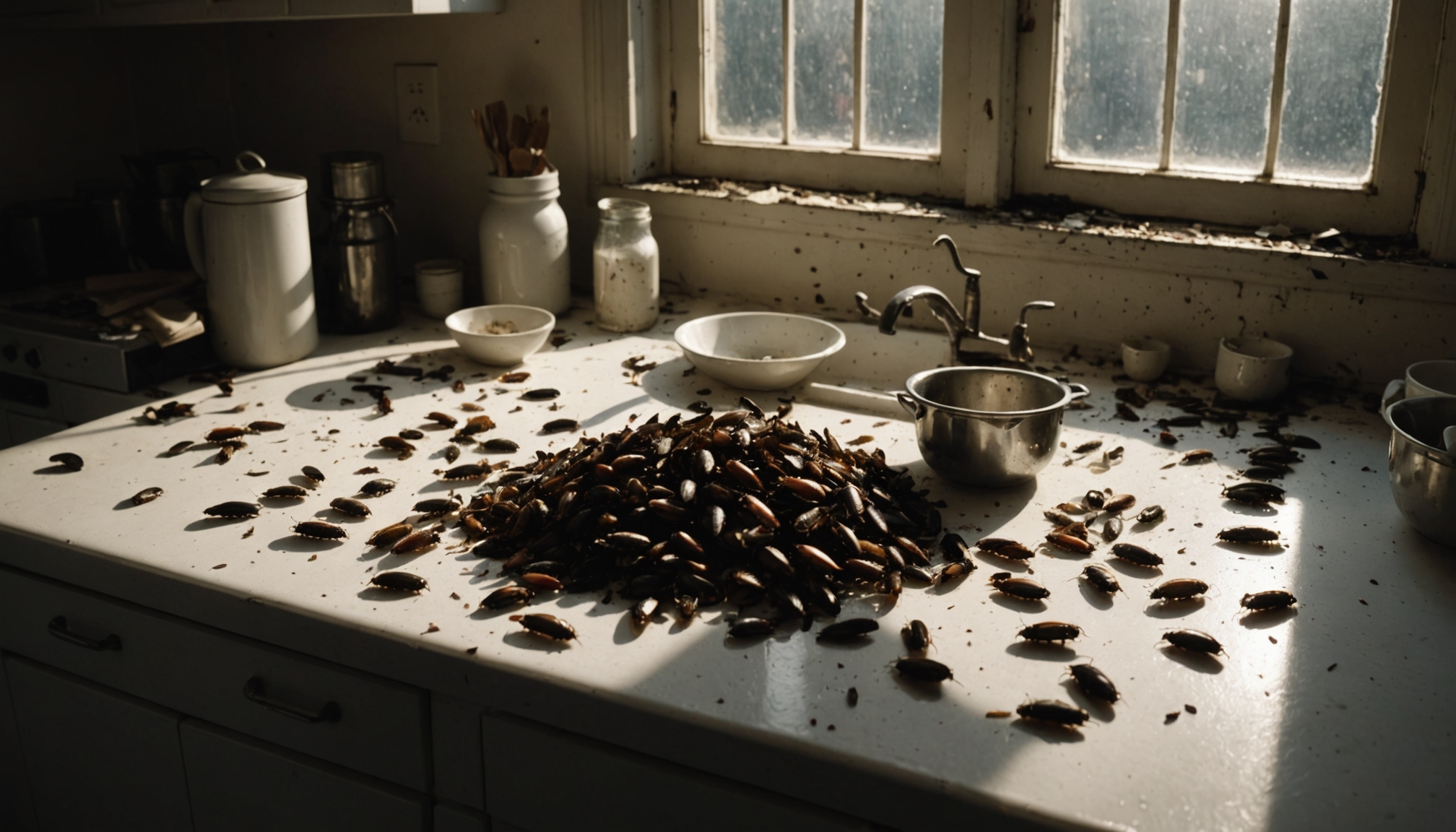
Even if you remove food, water, and heat, roaches still rebound because they don’t rely on a single nest. They crowd where pheromones and shelter pull them together. Feces and secretions lay down aggregation cues, drawing mixed-age clusters into tight, dark crevices. German roaches pack into cracks near kitchens and baths, boosting nymph survival and colony growth. Once a few find a good food source, they signal others, forming feeding groups that resist predators and rebound fast. Older nymphs forage more efficiently than younger ones, improving group access to resources.
You also face constant dispersal. Roaches spread from introductions through cracks, pipes, vents, and plumbing, or hitch rides on deliveries. They explore randomly, then memorize routes to resources. American roaches move through sewers; brown-banded hide higher and drier. Clean one spot, and nearby harborages quickly recolonize, disproving the single-source myth.
Why Cleaning Alone Fails Without Sanitation Standards
Although a wiped countertop looks good, roaches thrive when cleaning isn’t backed by sanitation standards. You remove what’s visible, but crumbs, grease, and biofilms under appliances and inside cabinets keep feeding them. Moisture from leaks, spills, and condensation gives them water, so they rebound fast. Without structured sanitation, cleaning is irregular, misses hotspots, and skips verification. Professional pest management companies emphasize that strong sanitation reduces the need for chemical treatments.
Adopt protocols that set frequencies, identify critical areas, and confirm results with monitoring. Manage waste: use sealed receptacles, empty them routinely, and keep bins clean. Store food in pest-proof containers and minimize clutter that becomes harborage. Train everyone on targeted cleaning, moisture control, and proper handling, then enforce it with checklists and documentation. Integrated sanitation with pest management consistently delivers far better reductions than cleaning alone.
Sealing Entry Points: Pipes, Gaps, and Shared Walls
Roaches slip through common multi-unit pathways—shared walls, pipe chases, and utility conduits—so you must block their routes. You’ll find and seal gaps around pipes, foundations, doors, and conduits with caulk, foam, weather stripping, and mesh. Use proper firestops and escutcheons at pipe penetrations to meet code and create tight, durable barriers. Install weather stripping around exterior doors to eliminate light gaps that invite roaches, ensuring a complete seal when the door is closed.
Common Multi-Unit Pathways
While one unit might look spotless, multi‑unit buildings give cockroaches ready highways through pipes, gaps, and shared walls. They slip along plumbing lines, ride moisture to new floors, and duck through wall voids that connect kitchens and bathrooms. Older buildings with interconnected cavities make it worse, and roaches even leap unit to unit via electrical outlets and shared chases. Installing door sweeps on exterior doors helps close gaps that cockroaches use to enter from common corridors and the outdoors.
Trash rooms, overflowing bins, and food spills in hallways or stairwells turn common areas into feeding stations, spreading activity. Inside units, clutter, unwashed dishes, and unsealed food provide harborage and fuel rapid German roach reproduction. Even if you don’t see them, allergens can linger and signal hidden movement. Consistent sanitation, building‑wide inspections, and clear tenant‑landlord communication create coordinated pressure that disrupts these pathways and keeps populations from rebounding.
Find and Seal Gaps
Even after a deep clean, you’ll keep seeing roaches if you don’t block the holes they use to slip inside. Start with the kitchen and bathrooms. Seal gaps around under-sink pipes with expanding foam, and close hairline wall cracks. Run silicone caulk along baseboards, window frames, and door trim. Add weather stripping so exterior doors seal tight. Cover HVAC vents and utility penetrations with fine mesh. Screen foundation weep holes with quarter-inch hardware cloth. In multi-unit buildings, focus on shared walls, especially where plumbing passes through.
Fix leaks, dry condensation, and ventilate damp rooms to remove the moisture that draws roaches. Inspect basements, foundations, attics, and ceiling spaces regularly, then repeat the seal-and-repair cycle each season to stay ahead.
- Identify
- Seal
- Dry
- Monitor
Firestops and Escutcheons
Although cleaning cuts off food and water, gaps around pipes and conduits still act like highways for roaches unless you seal them with the right components. Firestops and escutcheons close those openings where plumbing, wires, and ducts pierce walls, floors, and ceilings. Firestops (putty, foam, collars) meet code for fire resistance and, when applied correctly, block pests. Escutcheons cover the visible annular gap, but they’re cosmetic unless the underlying void is sealed.
- Inspect kitchens, bathrooms, and utility rooms. Even 1/8-inch gaps let nymphs through.
- Pair a firestop with a snug, caulked escutcheon set flush to the surface.
- Reseal after any plumbing or electrical work.
| Problem | Fix |
|---|---|
| Loose escutcheon | Refasten and caulk perimeter |
| Cracked firestop | Remove debris; reapply approved putty/foam |
| Shared-wall gaps | Install intumescent collar; seal and cover |
Targeted Baits, Traps, and Professional IPM That Works
Instead of dousing baseboards with spray, you’ll get faster, safer results by pairing targeted gel baits and sticky traps with a professional IPM plan. Place low-toxicity gel baits (hydramethylnon, fipronil) deep in cracks and crevices where roaches hide and feed. Baits outcompete sprays, cut pesticide use, and slow resistance—especially when rotated. Add sticky traps in kitchens, bathrooms, and near moisture to capture roaches and reveal hotspots so treatments hit the right places. Then let IPM tie it together: seal harborages, deny food and water, vacuum, and deploy insect growth regulators. Studies show IPM slashes chemicals over 50-fold while cutting infestations by up to 80%—with fewer health risks and better results than pesticides alone.
Targeted gel baits, sticky traps, and IPM beat sprays—safer, smarter, and proven to cut infestations dramatically.
- Precision beats broadcast
- Low-toxicity, high-impact tools
- Data-driven placement
- Long-term resilience through IPM
Monitoring, Maintenance, and Building-Wide Coordination
You’ll keep roaches from rebounding by using continuous trap monitoring to track hotspots and species. Stick to a routine sanitation schedule—clean food areas, fix leaks, and seal garbage—to strip away moisture and food. Coordinate multi-unit treatments and inspections so infestations don’t shift from one apartment to the next.
Continuous Trap Monitoring
When cleaning alone doesn’t stop roaches from rebounding, continuous trap monitoring gives you the data to stay ahead. Place traps along walls, corners, and between food and water sources, and at receiving areas to intercept hitchhikers. Avoid dusty or wet spots. Use enough traps to cover the whole facility, number them, and map placements so multiple inspectors can compare results. Check weekly—more often at the start—record counts, locations, and dates, then seal and discard used traps. Replace full or non-sticky traps, refresh baits, and relocate any compromised by moisture or damage. Track spikes to pinpoint shifting hotspots, intensify coverage in active zones, and coordinate findings with your pest pro and building staff. Increase traps and checks during warm, humid periods.
- Detect early reinfestation
- Direct targeted treatments
- Coordinate across units
- Verify program effectiveness
Routine Sanitation Schedule
Although cleaning knocked numbers down, a routine sanitation schedule keeps roaches from rebounding by pairing tight monitoring with disciplined maintenance and building-wide coordination. Inspect units and shared spaces on a set cadence; check traps, look for droppings, egg cases, and live activity, then document everything. Use those records to adjust placements, sealing priorities, and cleaning intensity as trends shift.
Keep cleanliness standards high: daily sweep, mop, and wipe food and moisture zones; manage trash tightly; deep-clean kitchens and bathrooms weekly. Seal cracks, fix leaks, and improve ventilation to strip moisture roaches seek.
Coordinate building-wide. Involve residents and management, standardize shared-space protocols, and educate everyone on sanitation expectations. Schedule monthly inspections, quarterly treatments, and seasonal adjustments. Review your IPM plan regularly to balance effectiveness, cost, and environmental impact.
Coordinated Multi-Unit Treatments
Routine sanitation only holds the line; stopping rebounds in multi-unit buildings takes coordinated monitoring, maintenance, and treatment across every floor. You’ll need synced inspections, shared data, and clear roles so roaches can’t escape from one unit to the next. Place sticky traps in kitchens, utility rooms, and hallways, log weekly counts, and map hotspots. Identify species to match bait and gel formulas. Seal gaps around pipes, fix leaks, ventilate bathrooms, and tighten trash protocols building-wide. Schedule professional treatments for all units at once, then verify with follow-up inspections and trap trends. Keep residents engaged with simple prep steps and fast reporting channels.
- Track trap counts per unit to spot migration routes.
- Adapt plans when trends shift.
- Standardize sealing and moisture fixes.
- Communicate treatment timelines and results.
Frequently Asked Questions
How Long Can Roaches Survive Without a Head or Food?
They can survive headless for about nine days, sometimes up to a couple of weeks, and without food for up to three months. You’re seeing two different limits: dehydration kills faster than starvation. A headless roach can’t drink, so it dies of thirst within days; an intact roach can go weeks without eating but not without water. Thanks to decentralized nerves and spiracles, they keep moving and reacting even without a head.
Do Grooming Habits Make Baits Less Effective?
Yes—roaches’ grooming can reduce bait effectiveness if the bait tastes off, dries out, or has gritty textures they clean off. You’ll boost results by placing fresh gel baits in cracks and harborages, rotating actives every 90–120 days to prevent aversion, and managing moisture and temperature. Use highly palatable options like imidacloprid gels, supplement with boric acid or diatomaceous earth, and add traps. Reapply dehydrated gels often and inspect regularly.
Which Life Stages Eat the Most and Why?
Nymphs and adult cockroaches eat the most. You see nymphs feeding heavily because they’re growing and molting multiple times, so they need steady energy and moisture. Adults also consume a lot to fuel activity and rapid reproduction; females ramp up intake before producing oothecae. Eggs don’t eat at all—they’re dormant in protective cases. When food’s scarce, roaches prioritize metabolism, then resume growth and feeding quickly once resources return, especially warm, humid conditions.
Can Roaches Adapt to Poor Diets Over Time?
Yes, they can—and they do. You’ll see roaches adjust intake to balance protein and carbs, shifting toward carbohydrate-biased foods when foraging costs rise. They even evolve glucose aversion, letting them avoid sugary baits, though starvation can push them to accept small amounts. Their diverse, stable gut microbiome helps extract nutrients from waste and decaying matter. Over time, these physiological, behavioral, and microbial adaptations let roaches endure poor diets and sustain populations.
Why Do Infestations Rebound After Partial Extermination?
They rebound because you leave survivors and eggs. You kill adults, but hidden oothecae hatch later. Fast life cycles and high fecundity let populations explode between visits. Repeatedly using the same sprays or baits breeds resistance or bait aversion. Sprays can scatter roaches into new harborage. Gaps, shared walls, and unsealed entry points allow reinvasion. Without follow-up treatments, rotating baits, sanitation, moisture control, and exclusion, you’ll see the infestation bounce back.
Conclusion
Roaches return because you still give them what they need: food crumbs, moisture, warmth, and hidden routes. You won’t beat them with cleaning alone. Tighten sanitation, dry out leaks, seal gaps and pipe chases, and block travel through shared walls. Use targeted gel baits and sticky monitors, not just sprays. Log what you catch, refresh baits, and adjust. Coordinate with neighbors and management. Stick to an IPM plan, and you’ll break the cycle for good.


