

Sweep and mop daily with a grease-cutting solution, wiping counters, stovetops, and cabinet fronts. Store all food in airtight containers, refrigerate perishables, and seal pet food; empty and wash trash cans weekly. Fix leaks, dry sinks at night, and don’t leave wet sponges or dishes out. Clean under appliances, flush drains monthly, and lower humidity with fans or a dehumidifier. Seal gaps around pipes, add door sweeps, and maintain weatherstripping. Keep this routine, and you’ll stay ahead of roaches—there’s more you can do.
Key Takeaways
- Sweep and mop daily with a grease-cutting cleaner, focusing behind and under appliances.
- Store all food in airtight containers; refrigerate perishables promptly and discard expired items.
- Empty and clean trash daily; use tight-lidded bins and sanitize lids and rims weekly.
- Fix leaks, dry sinks nightly, and avoid leaving wet sponges, dishes, or pet bowls out.
- Seal gaps around pipes, cabinets, and doors with caulk and door sweeps; inspect seasonally.
Daily Cleaning Practices
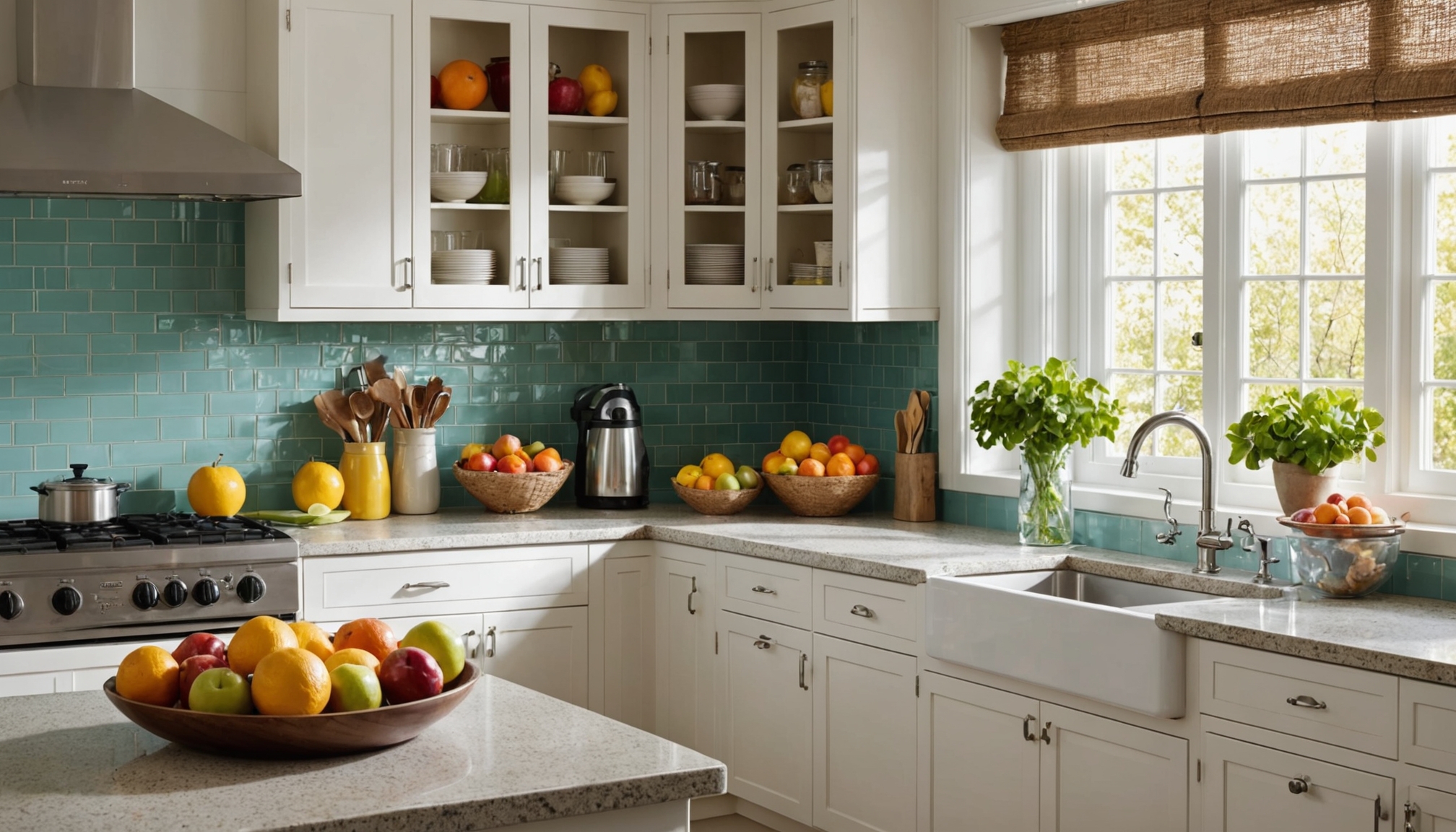
Even small, consistent steps each day keep roaches from finding food, water, and shelter in your kitchen. Sweep floors daily to pick up crumbs, then mop with a grease-cutting solution. Focus behind and under appliances where debris hides. Don’t push particles into cracks; use probiotic cleaners to consume residue in tight seams.
Wipe countertops, stovetops, and cabinet exteriors with warm, soapy water or a degreaser. Disinfect shelves, clean inside cabinets and drawers, and wipe pet feeding areas to remove attractants. Sealing entry points like gaps around pipes and along cabinet edges with caulk helps block roaches from getting inside.
Empty trash every day and seal bags tightly. Wash and deodorize bins to cut odors, and don’t let garbage overflow. Fix leaks fast, dry sinks and counters, and avoid leaving pet water overnight. Launder or seal damp sponges. Keep counters clear and seal gaps with caulk or mesh.
Proper Food Storage

Daily cleaning only goes so far unless you lock down food sources. Move dry goods—cereals, grains, flour, sugar, and pet food—into airtight glass or heavy-duty plastic containers as soon as you open them. Roaches can chew cardboard and follow odors; sealed containers block both. Check seals regularly and replace worn lids.
Refrigerate perishables immediately after use. Keep fruits and vegetables chilled to stop overripening and fermenting smells. Don’t leave uncovered food on counters. Wipe and dry refrigerator shelves, and toss expired items routinely. Store garbage in bins with tight-fitting lids to prevent access and reduce odors.
Refrigerate perishables promptly; chill produce, cover food, clean shelves, and toss expired items regularly.
For pets, seal kibble, store it off the floor or in closed cabinets, and clean bowls after feeding. Refrigerate moist pet foods.
Maintain storage areas: wipe spills, ditch cardboard and clutter, inspect packages, deep clean around appliances, and seal gaps with caulk. Keep moisture low and monitor with traps.
Waste Management
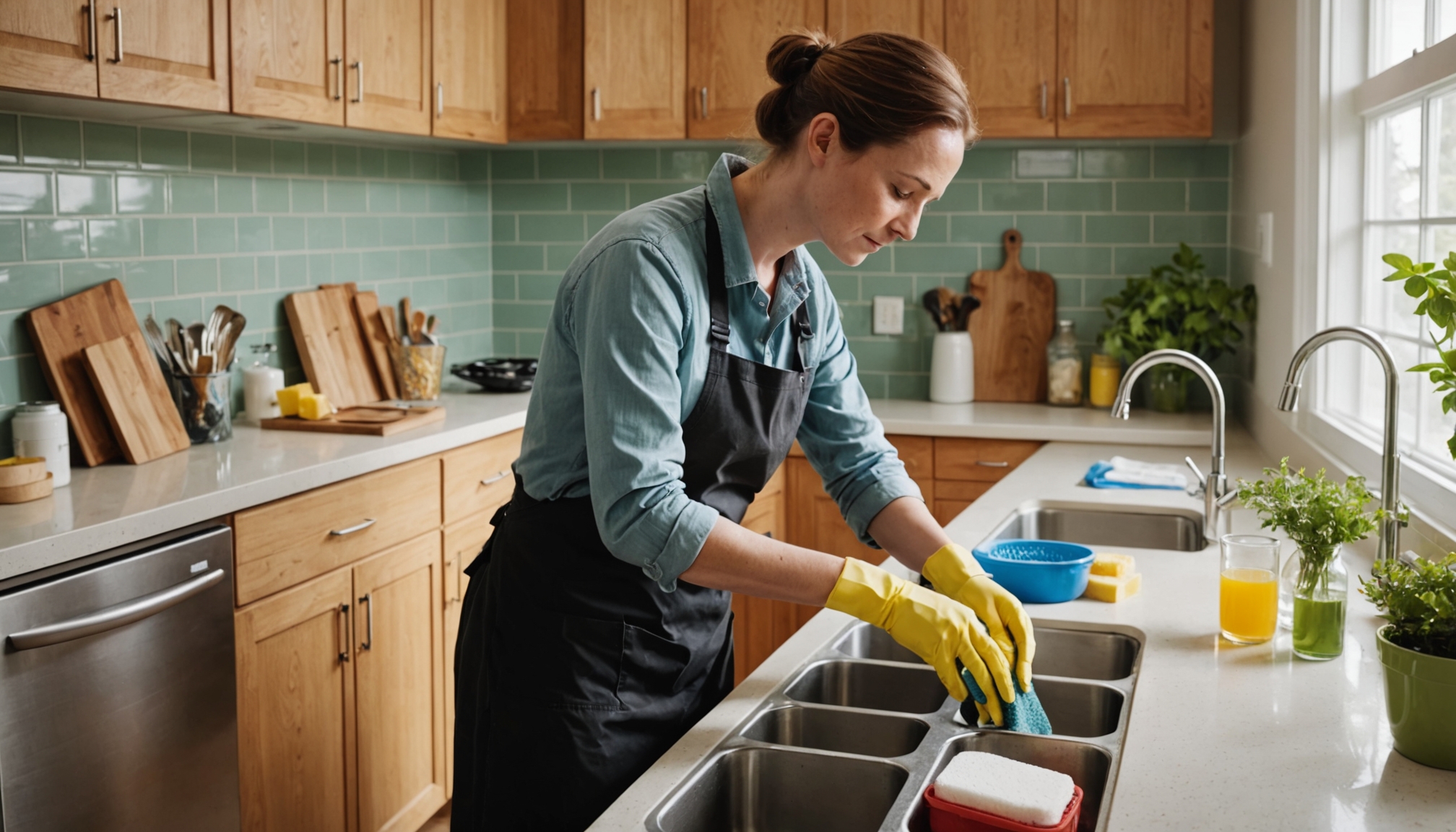
Waste Management
Although a spotless sink helps, roaches stick around if your waste invites them. Lock down your trash routine and you’ll cut off their food supply. Keep odors sealed, surfaces sanitized, and disposal frequent. Position cans away from doors and prep zones, and keep the surrounding floor spotless.
- Seal and store: Use roach-proof containers with tight lids and odor-containment bags. Keep cans away from entrances and food prep areas; seal gaps around storage zones.
- Empty on schedule: Take out trash daily, unless it’s dry and odorless. Clean the area around cans after each removal to erase scent trails. Using sealed trash bins reduces odors that attract roaches and helps contain food waste effectively.
- Clean containers: Wash and sanitize cans weekly. Wipe lids, rims, and pedals; dry thoroughly.
- Manage organics: Compost only in tightly sealed bins far from the home. Keep green bins covered and clean.
Moisture Control
While crumbs matter, water keeps roaches alive, so cutting moisture is nonnegotiable. Fix leaky faucets and pipes fast—tiny drips sustain colonies. Inspect under-sink plumbing weekly, caulk joints, and use temporary tape only until you install permanent repairs. Dry your sink after use, especially at night; don’t leave wet sponges, rags, or dishes. Flush drains with boiling water, vinegar, or baking soda to clear residue and reduce dampness.
Lower humidity to deter activity. Run exhaust fans while cooking, open windows when possible, and add a dehumidifier or desiccants in problem spots. Wipe countertops nightly, mop around dishwashers and fridges, and clean under appliances and sinks. Remove greasy spills quickly and store food in airtight containers. Prompt cockroach control is vital for family health due to contamination risks and allergy triggers.
| Moisture Source | Quick Fix |
|---|---|
| Leaky faucet | Tighten/caulk now |
| Damp sink | Towel-dry nightly |
| Humid air | Run exhaust/dehumidifier |
| Wet sponges | Dry or replace |
| Greasy residue | Degrease immediately |
Sealing Entry Points
Start by identifying common gaps—cracks in walls, tiny openings around windows and cabinets, and hairline seams as small as 1/16 inch. Seal around utilities under sinks and behind appliances using caulk for narrow gaps, foam plus mesh for larger penetrations, and guarantee products suit interior or exterior use. Maintain door sweeps and weather stripping to block thresholds, and re-inspect seasonally to catch new or reopened gaps. Regular inspections help prevent cockroaches by identifying cracks and openings that serve as entry points, making sealing essential for an effective, healthier kitchen environment.
Identify Common Gaps
Where do roaches slip in? You’ll find their routes in tiny, overlooked openings that connect outdoors to your kitchen’s darkest edges. Scan methodically, then note what to seal during your cleaning routine. Use silicone caulk for tight seams and expandable foam for wider voids. Act early—leaving gaps open keeps a steady pipeline of pests.
- Cracks in walls and floors: Check baseboards, corners, and foundation lines. Even gaps under 1/8 inch admit roaches; mark and seal promptly.
- Doors and windows: Inspect weatherstripping, door sweeps, and frame edges. Replace worn pieces and close light leaks under thresholds.
- Spaces between cabinets and walls: Look behind appliances and along cabinet sides. Caulk to block corridors and trap crumbs.
- Vents, chimneys, and drains: Add fine mesh screens, clean drains, and cap when not in use.
Seal Around Utilities
You’ve mapped the common gaps; now focus on the utilities that punch straight through your walls and floors. Seal tight around pipes, cables, and vents so roaches can’t ride the infrastructure into your kitchen. Use silicone caulk for hairline cracks—it stays flexible, water-resistant, and bonds to drywall, metal, and concrete. For larger, irregular voids, apply expanding foam to fill the cavity and cut drafts and moisture. Screen exterior vents and chimneys with fine stainless or synthetic mesh sized to block roaches while allowing airflow. Inspect both inside and outside, then recheck seasonally for shifts or wear.
| Location | Method | Benefit |
|---|---|---|
| Sink pipes | Silicone caulk | Blocks slivers, resists moisture |
| Gas line | Silicone caulk | Flexible seal under heat changes |
| Foundation penetration | Expanding foam | Fills large voids, insulates |
| Dryer vent | Fine mesh | Allows airflow, stops pests |
| Attic exhaust | Fine mesh | Rust-resistant, durable barrier |
Maintain Door Sweeps
Even a slim gap under a door is an open invitation to roaches, so fit and maintain a door sweep to close that path. A sweep seals the space between the door and threshold, blocking roaches, rodents, and other small pests. Choose rubber or vinyl for general use, or a brush sweep for uneven floors and durability. Install it as a quick DIY: adhesive for speed, screw-on for permanence, wrap-around for added side protection.
- Measure precisely: match the door width; size the gap (brushes handle about 1/4″; specialty sweeps cover larger).
- Clean and align: scrub the door bottom and threshold; cover the full width with no end gaps.
- Adjust contact: verify a seal without dragging; trim if needed.
- Inspect regularly: replace brittle strips or thinning brushes; pair with weatherstripping and other exclusions.
Deep Cleaning and Periodic Maintenance
Although daily tidying keeps things in check, deep cleaning and periodic maintenance break roach cycles by removing food, moisture, and hiding spots they depend on. Wipe countertops, backsplashes, and stovetops thoroughly to clear grease. Degrease around faucets and stove knobs, and reach behind and under appliances. Clean inside drawers and cabinets monthly.
Flush kitchen drains monthly with baking soda, then vinegar; follow with boiling water. Keep drains dry when possible and fix leaks under sinks fast. Don’t leave standing water or overnight pet dishes.
Store grains, rice, and flour in airtight glass or thick plastic. Refrigerate produce. Rotate pantry items and clean shelves monthly. Declutter and label for easy checks.
Use lidded trash cans, empty daily, disinfect bins, tie bags, and remove cardboard clutter. Seal cracks.
Frequently Asked Questions
Are Natural Repellents Like Bay Leaves Effective Against Roaches?
Yes, but only moderately. You can use bay leaves or their essential oil to repel roaches thanks to compounds like eucalyptol, yet they don’t kill roaches or solve heavy infestations. You’ll see inconsistent results depending on freshness, placement, and infestation level. Refresh leaves often or use essential oil sachets for stronger scent. Pair them with sealing cracks, eliminating food and water sources, sticky traps, and, if needed, targeted baits or professional treatment.
Which Roach Species Are Most Common in Kitchens?
German cockroaches are the most common in kitchens. You’ll spot small, tan-brown roaches with two dark stripes hiding near heat, moisture, and food. American cockroaches can appear after rains, especially in basements and commercial kitchens. Brown-banded roaches show up in drier spots like cabinets and behind appliances, and may wander into kitchens. Oriental roaches enter from damp areas or drains. You should identify species first, since moisture needs and control tactics differ.
How Long Do Roach Eggs Take to Hatch?
Roach eggs hatch in about 20–75 days, depending on species and conditions. You’ll see German roach eggs hatch around 28 days at room temperature. American roach eggs take roughly 40–75 days, Oriental about 60 days, and brown-banded around 50 days. Warmer temperatures, adequate humidity, and nearby food speed things up. German females carry oothecae until near hatching, boosting survival; if you remove immature capsules from females, they often won’t hatch.
Do Ultrasonic Pest Repellents Actually Work?
No, you shouldn’t expect ultrasonic pest repellents to work well. Studies show less than 20% repellency for ticks and poor results for cockroaches and ants. Pests habituate quickly, room layouts weaken sound, and consumer-grade units lack the power to disrupt behavior. Regulators have challenged efficacy claims, and academic tests are mixed and inconclusive. Don’t rely on them; use proven methods: sanitation, exclusion, traps, baits, and, when needed, professional pest control.
Is Boric Acid Safe to Use Around Pets and Children?
Yes, with caution. You can use boric acid around pets and children only if you apply it sparingly in inaccessible cracks, crevices, and voids, and follow label directions. Don’t leave loose powder in high-traffic areas. It’s lower toxicity than many insecticides, but ingestion or prolonged contact can cause vomiting, diarrhea, drooling, lethargy, seizures, or coordination loss. Monitor closely after application and seek vet or medical care if symptoms appear. Consider alternatives for vulnerable households.
Conclusion
You’ve got the tools to keep roaches out and your kitchen spotless. Stick to daily wipe-downs, store food tightly, and take out trash before it piles up. Fix leaks, dry damp spots, and ventilate so moisture doesn’t invite pests. Seal cracks and gaps to block entry. Then schedule deep cleans to hit hidden grime. Stay consistent, and you’ll break their food, water, and shelter cycle. Keep it simple, keep it routine, and you’ll keep roaches away.


